Game
Broadway & Musical Theatre Trivia Game
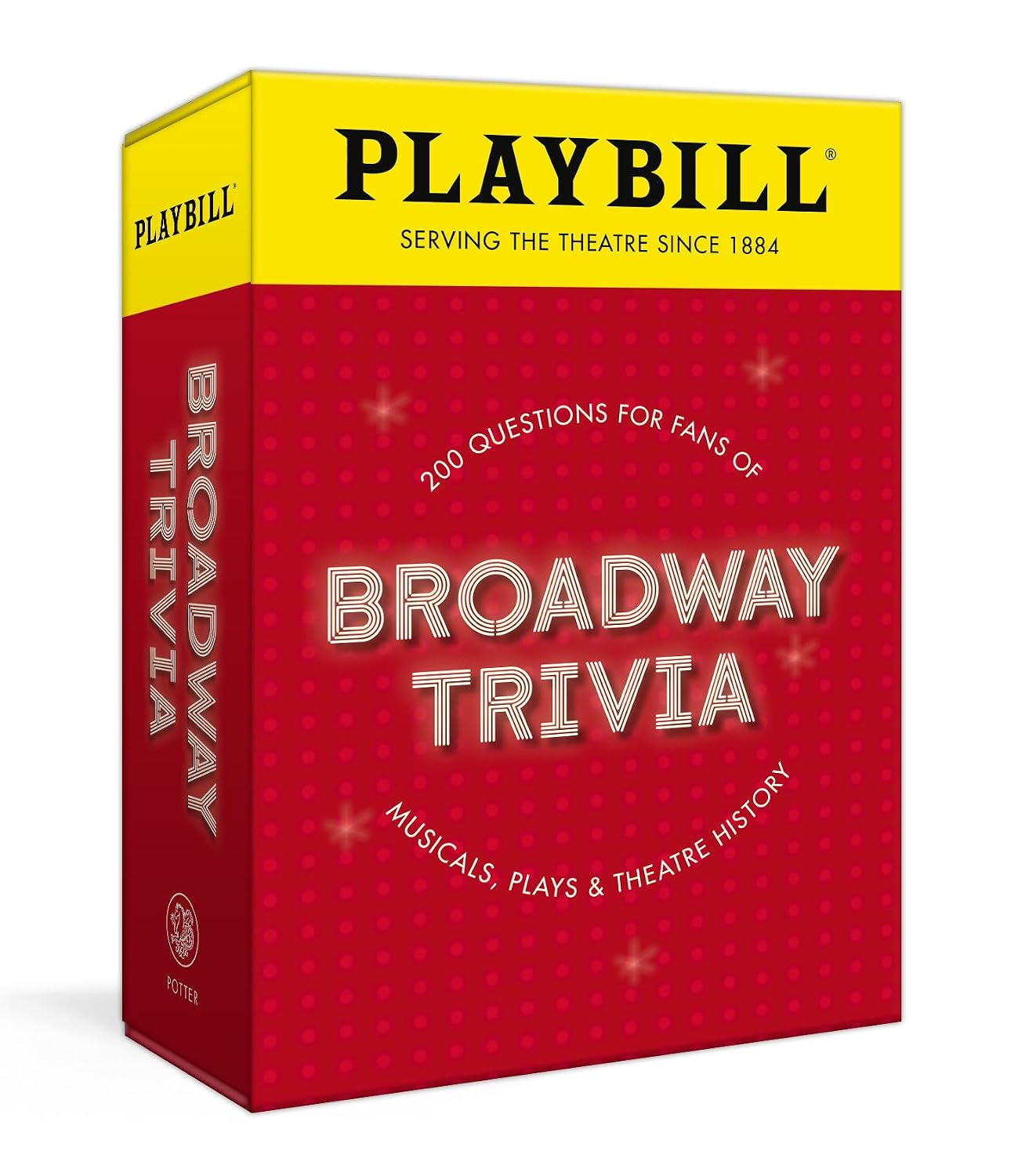
A trivia game built entirely around Broadway and musical theatre knowledge.
Verified — real listing, active link
Amazon
Check Price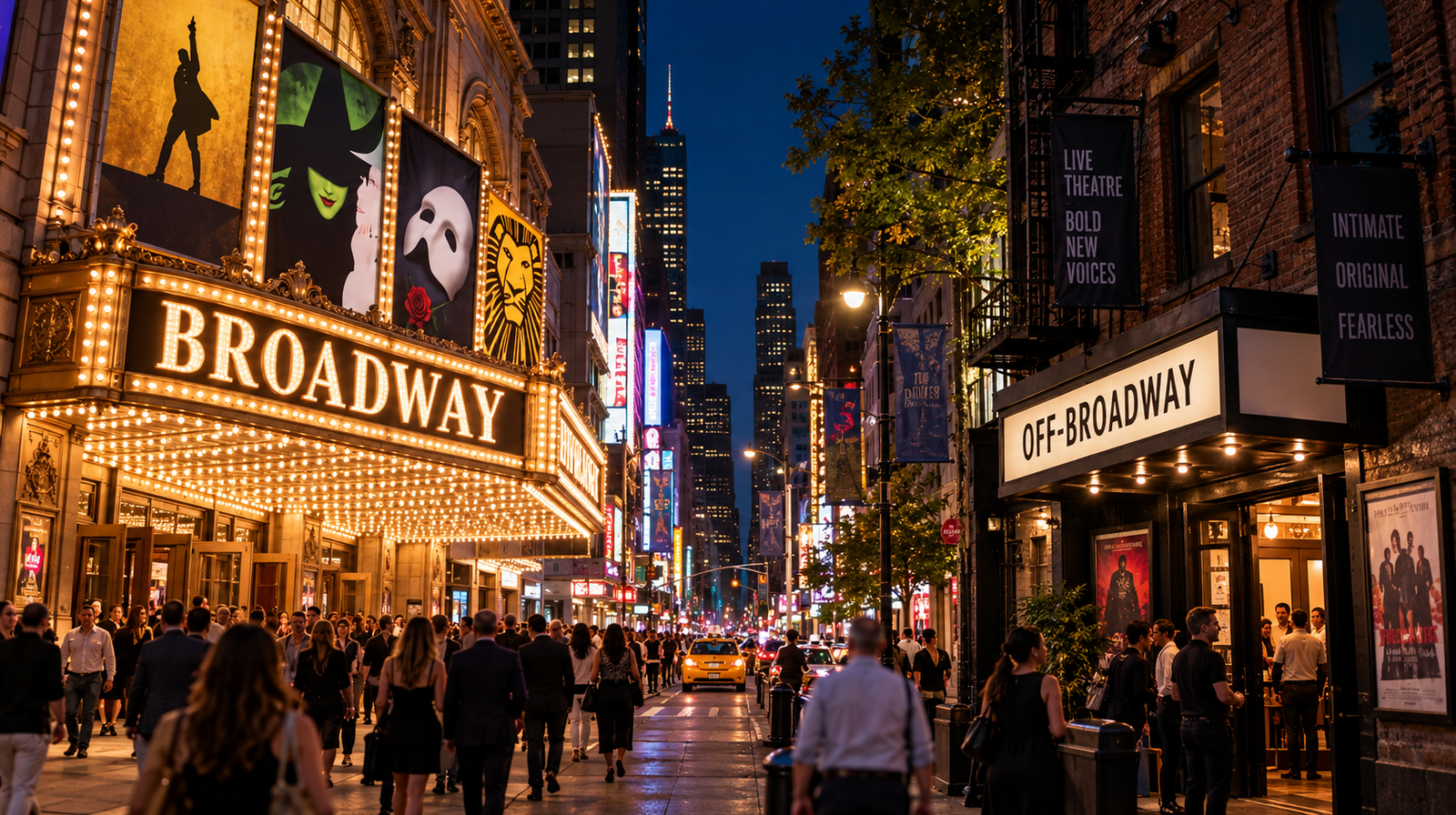
Broadway Guides
The easy explanation goes like this: Broadway is the big theatre, Off-Broadway is the small theatre, and the difference stops there. It's a reasonable guess, and it's wrong in the way that matters. Some Off-Broadway houses hold nearly as many people as a mid-sized Broadway theatre. Some Off-Broadway productions run for decades and become genuine cultural fixtures, selling out night after night in rooms a fraction the size of a Broadway house. The line between the two isn't really about ambition, quality, or even size in the way people assume. It's about a specific set of industry and venue distinctions that happen to correlate loosely with size, which is exactly why the simple explanation keeps misleading people.
That confusion is understandable. Nothing about walking into an Off-Broadway theatre visually announces its classification the way, say, a highway sign announces a state line. The seats look like seats. The audience behaves the same way it would uptown. The actual dividing lines are administrative: which union contract governs the production, how many seats the specific venue has, and whether the theatre itself sits on a list the industry recognizes as Broadway. Understanding those lines makes the rest of New York theatre easier to navigate, whether the goal is planning a first visit or simply making sense of why two shows that feel similarly ambitious get talked about so differently.
"Broadway" is a formal, industry-recognized designation, not a description of any theatre that happens to be large, prestigious, or located somewhere in Manhattan. What actually makes a theatre Broadway comes down to a specific combination of factors: a defined set of theatres, most of them clustered in the Theatre District around Times Square, generally with 500 or more seats, operating under Broadway-tier contracts with Actors' Equity Association and other entertainment unions, and recognized as such by the Broadway League, the trade association that represents Broadway theatre owners and producers.
That combination matters more than any single piece of it. A large theatre outside the recognized Broadway roster isn't Broadway. A designated Broadway theatre that happens to sit slightly outside the core Times Square cluster, Lincoln Center's Vivian Beaumont Theatre is the standard example, still counts as Broadway because of its contractual and organizational status, not its zip code. Broadway is ultimately a classification applied to a specific, finite list of theatres and the productions running inside them under specific industry agreements, not a general term for "a big, important New York show."
Off-Broadway is a separate, also formally defined category, and it's worth being precise about what actually distinguishes it, since the term gets used loosely in everyday conversation. Under Actors' Equity Association's Off-Broadway agreement, the classification generally applies to professional theatres in Manhattan with fewer than 500 seats that fall outside the designated Broadway District. Equity's own Off-Broadway contract further breaks these theatres into several capacity bands, from roughly 100 to 499 seats, each with its own minimum salary structure, reflecting the reality that a 150-seat house and a 450-seat house are running very different operations even though both are technically Off-Broadway.
Below that range sits Off-Off-Broadway, generally covering venues with fewer than 100 seats and operating under a different, more flexible Equity agreement of its own. The three-tier structure, Broadway, Off-Broadway, Off-Off-Broadway, is fundamentally a contractual and venue-based hierarchy, built around seating capacity and union agreements, not a ranking of artistic seriousness.
Seating capacity is the most visible marker, but it's a proxy for several other real differences that tend to follow from it. Broadway theatres, with 500 or more seats and the audience volume that comes with it, generally support larger production budgets, bigger creative and technical teams, and open-ended commercial runs designed to recoup a substantial upfront investment over months or years. Off-Broadway productions, working with smaller houses and correspondingly smaller potential nightly revenue, tend to run on tighter budgets and shorter, more clearly bounded engagements, though a genuine hit can still run for years.
The contractual layer underneath both changes what a production can afford to do. Actors' Equity's Broadway agreement, Off-Broadway agreement, and Off-Off-Broadway agreement each set different minimum salaries, rehearsal rules, and company sizes, which shapes everything from cast size to how elaborate a set design can realistically be. None of this is a comment on artistic ambition. A well-funded Off-Broadway nonprofit production can be as carefully built as a commercial Broadway transfer; it's simply operating inside a different financial and contractual structure.
Ticketing reflects the same split. Broadway tickets are generally sold through a small number of large, established systems tied directly to the show's producing theatre, and how that ticket-buying process actually works is largely standardized across Broadway houses. Off-Broadway ticketing is more varied: some productions sell through the same major platforms, others handle box office sales directly through the producing theatre or nonprofit, and pricing tends to run lower on average, reflecting smaller houses and generally smaller overhead rather than lower quality.
Audience experience differs too, though not in a way that maps neatly onto "better" or "worse." A Broadway house offers scale: a full orchestra, elaborate scenic engineering, a large ensemble, the specific communal experience of a packed 1,000-plus-seat room. An Off-Broadway house often offers proximity instead: a more intimate room, sometimes unconventional staging that a smaller space makes possible, and a different relationship between performer and audience that larger commercial houses rarely attempt. Neither experience is a diminished version of the other. They're different tools suited to different kinds of work.
Artistic development follows a similar pattern. Off-Broadway, and especially the nonprofit institutions that operate within it, has historically functioned as a place where new plays and musicals can be tested, revised, and sometimes substantially rewritten in front of an audience before the far larger financial commitment a Broadway production requires. A Broadway house, by contrast, is generally a less forgiving place to workshop something still finding its final shape; the scale of the investment tends to push producers toward material that has already proven itself somewhere smaller first. That difference in risk tolerance, not a difference in talent or seriousness, is a large part of why so many significant American plays and musicals have Off-Broadway roots even when audiences primarily encounter them later on Broadway.
Yes, and this happens regularly enough that it's one of the more well-established pathways in New York theatre, though it is not the default outcome for most Off-Broadway productions. A show develops in a smaller house, often at a nonprofit institution built specifically to incubate new work, and if it generates enough critical and audience response, producers can capitalize a transfer to a Broadway theatre.
A Chorus Line is one of the clearest documented examples: it opened at Joseph Papp's Public Theater in April 1975, sold out almost immediately, and transferred to the Shubert Theatre that July, where it eventually ran 6,137 performances and won nine Tony Awards along with the 1976 Pulitzer Prize for Drama. Hadestown followed a similar arc decades later, opening at the Off-Broadway nonprofit New York Theatre Workshop in 2016 before transferring to Broadway's Walter Kerr Theatre in 2019, where it won eight Tony Awards including Best Musical. Rent and Once both had their own Off-Broadway origins at New York Theatre Workshop before moving to Broadway as well, and Fun Home, developed at the Public Theater, made a similar move to Broadway's Circle in the Square. These moves are genuine transfers, meaning the production is substantially rebuilt for a larger venue and a new contractual structure, not simply relocated: new orchestrations to fill a bigger house, a redesigned set built for a different stage, and, frequently, a partially or entirely new cast.
That pathway runs in both directions in terms of scale, but rarely in prestige. Plenty of celebrated, long-running Off-Broadway shows never transfer and were never trying to; a smaller, sustained Off-Broadway run can be exactly the right home for a piece of work, not a placeholder on the way to something else.
No, and this misconception is worth addressing directly rather than glossing over. Off-Broadway has its own identity within New York's theatre ecosystem: it's where a large share of new American plays and musicals get developed and produced first, often by nonprofit institutions built specifically to take artistic risks a commercial Broadway budget generally can't absorb. Long-running Off-Broadway institutions have shaped American theatre in ways entirely independent of whether any individual show ever reaches a Broadway stage.
Treating Off-Broadway as simply "Broadway, but smaller and cheaper" misses what the category actually does. It's a genuinely distinct tier of professional theatre, with its own audiences, its own critical attention, and its own body of work that stands on its own terms rather than existing only as a farm system for Broadway.
For a visitor planning a New York theatre trip, the practical takeaway is narrower than it might seem. Knowing whether a show is Broadway or Off-Broadway tells you something real about scale: theatre size, likely ticket price range, and how standardized the buying process will be. It does not reliably tell you anything about a show's artistic quality, ambition, or how emotionally significant the experience will be. Some of the most striking, well-crafted theatre in New York on any given week is happening Off-Broadway, in a room a fraction of the size of a Broadway house.
The other thing worth knowing before a first visit has less to do with the Broadway/Off-Broadway distinction and more to do with the shared culture around attending live theatre in New York generally: what to expect at a Broadway performance, from arrival to intermission, applies in spirit to most professional New York theatre, Off-Broadway included, even where specific venue policies vary. The Playbill tradition also extends well beyond Broadway itself; many Off-Broadway houses hand out their own version of a printed program using the same basic format. And for anyone curious about how an existing work returns to the stage rather than premiering for the first time, how Broadway revivals work is its own separate question from the Broadway/Off-Broadway distinction, since revivals happen at both levels of the industry.
Broadway and Off-Broadway are connected parts of the same professional theatre ecosystem in New York, not competing tiers ranked by quality, and not two separate industries that happen to share a city. The distinction between them is real, but it's rooted in specific, documentable structures, seating capacity, union contracts, venue classification, and commercial scale, rather than in how good, how serious, or how important a given production happens to be. A show's address on that spectrum says something about the size of the room it's playing in and the financial machinery behind it. It says considerably less about whether the two hours you spend inside that room will actually be worth your time.
Some links in this guide may be affiliate links. See our affiliate disclosure.
A trivia game built entirely around Broadway and musical theatre knowledge.
Verified — real listing, active link
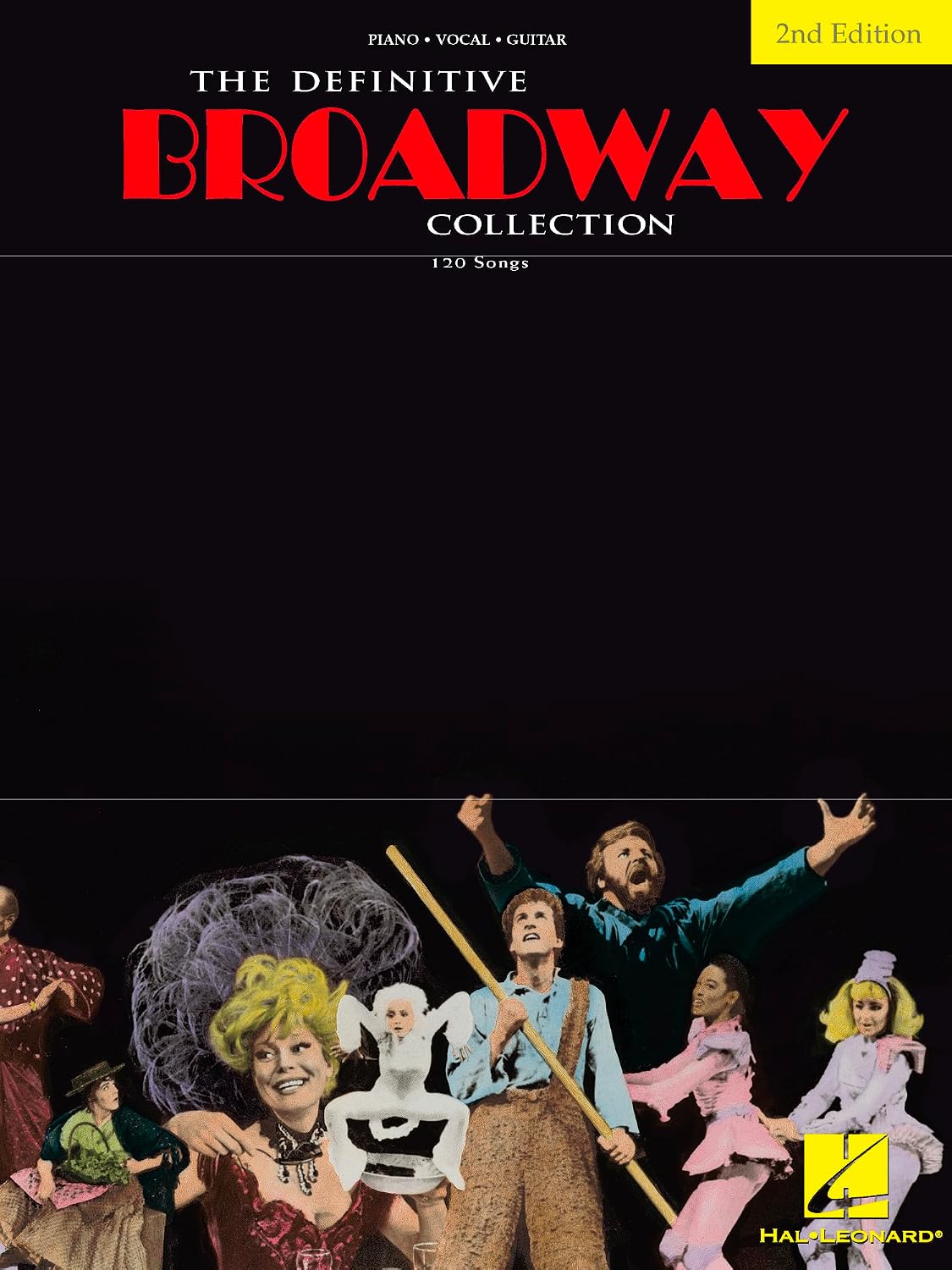
A biography spotlighting a notable figure from Broadway history.
Verified — real listing, active link
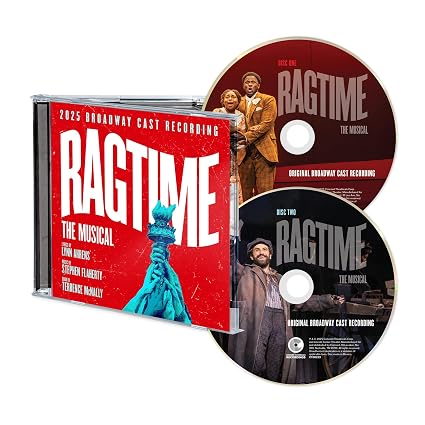
A physical CD cast recording for fans who prefer owning music outright.
Verified — real listing, active link
A comfortable hoodie for theatre fans who want something cozy to wear to rehearsal or the show.
Verified — real listing, active link
Most sources name The Black Crook (1866). Here's why historians still argue, and the other shows that claim to be Broadway's first musical.
A Broadway ticket lists a curtain time, not a full evening. Running times vary by show, structure, and intermission, and the more useful question is how much time to actually set aside around the performance itself.
A Broadway revival isn't just an old show staged again. It's a new production built around existing material, and its creative team has to decide, deliberately, what to preserve, reinterpret, or leave behind for a new audience.