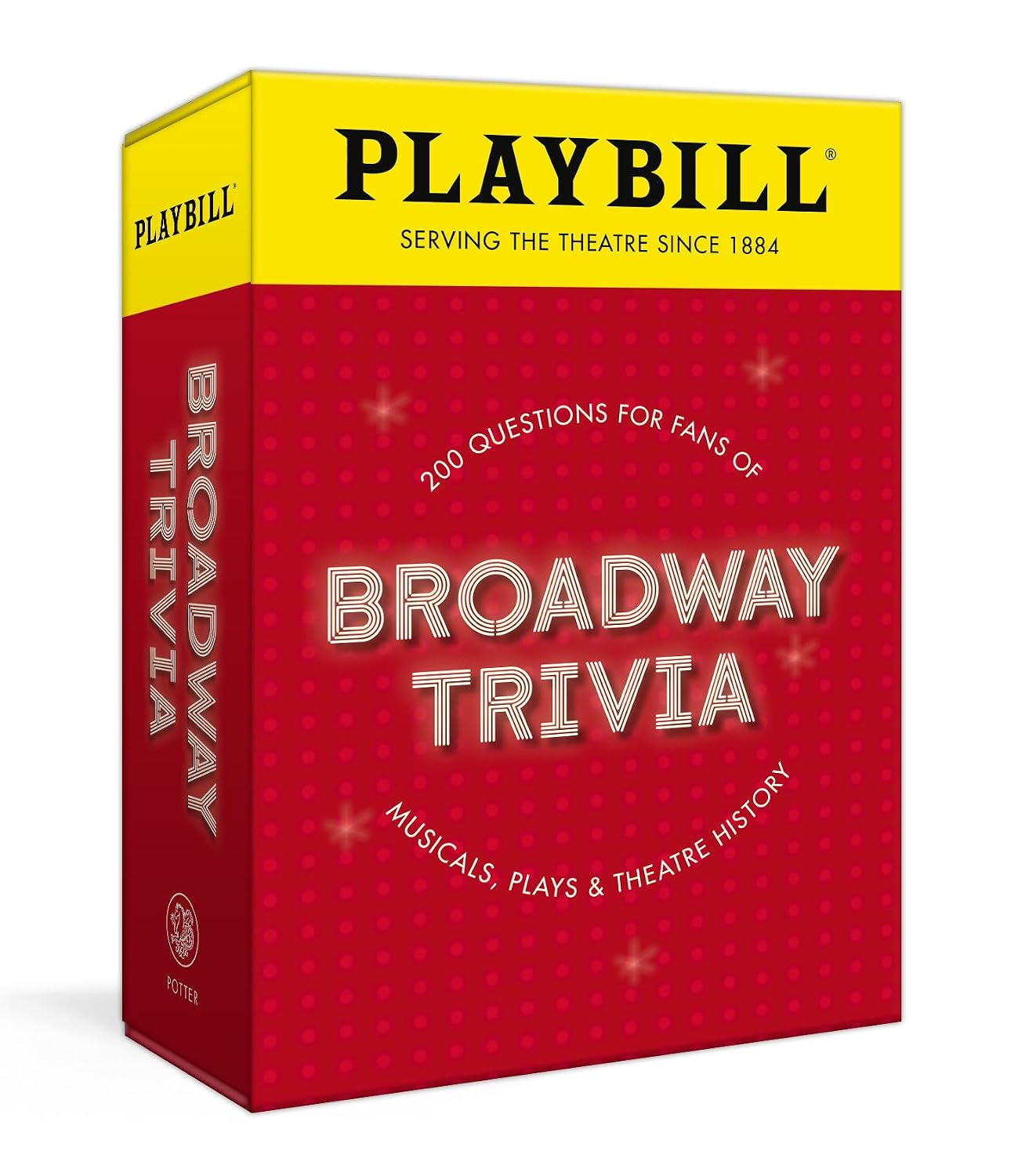
Game
Broadway & Musical Theatre Trivia Game
A trivia game built entirely around Broadway and musical theatre knowledge.
Verified — real listing, active link
Amazon
Check Price
Broadway Guides
Buying a Broadway ticket for the first time can feel more complicated than it should. A quick search turns up official show websites, box offices, lottery apps, resale marketplaces, and third-party sites that all claim to sell "real" Broadway tickets — with no obvious signal about which one actually fits what you're trying to do. That confusion isn't really about any one site being untrustworthy. It's that several genuinely legitimate routes exist side by side, each suited to a different priority: certainty of a seat, price, flexibility, a specific seat location, or willingness to take a chance on a rush line or a lottery. This guide walks through those routes as they actually work, rather than pointing to one as the method everyone should use.
Before any ticketing method matters, the first real decision is which production, on which date, at roughly what time. That sounds obvious, but it determines almost everything downstream: a long-running hit and a brand-new limited engagement can have completely different availability, different rush or lottery policies, and different pricing patterns. Broadway isn't one uniform system that applies the same rules to every title — each production sets its own specific policies for rush, lottery, standing room, and even how far in advance seats go on sale. If you already know you want flexibility on the date, or you're set on one particular performance, that preference should shape which of the routes below actually makes sense for you.
It's also worth being clear on what "Broadway" means here: what actually counts as a Broadway show is a specific classification tied to a defined set of Manhattan theatres, not just any large NYC production, and that distinction matters once you start comparing ticketing options across different listings.
The most direct route is the official ticketing channel for the specific show — usually the production's own website, which routes to one of a small number of authorized ticketing systems. Two names come up constantly here. Telecharge is the official, authorized ticket seller for shows at Shubert Organization theatres, and describes itself as giving buyers "the same availability as the box office," charging only disclosed service fees rather than marking up the underlying ticket price. Broadway Direct, separately, is the primary ticketing provider for shows at the nine Broadway theatres operated by the Nederlander Organization, and also runs official digital lotteries for a number of productions.
Which system handles a given show depends on which theatre it's playing in and which organization operates that venue — there isn't one universal "Broadway ticket site" that sells everything. The reliable way to find the right one is to start from the show's own official website and follow its ticket link, rather than guessing at a URL or trusting a search-ad result.
Every Broadway theatre also has a physical box office, where tickets for that specific production can be purchased in person. Buying at the box office puts you in direct contact with the same inventory the official ticketing systems draw from — it's not a separate, secret pool of seats, and it doesn't guarantee availability for a specific date or price bracket. What it can be useful for is same-day questions a website can't always answer well: whether standing room or rush is being offered that day, what's actually left for a specific performance, or accessibility arrangements for that theatre. Box-office hours and exactly what they'll sell in person vary by production and theatre, so it's worth checking the specific show's website for its box office's current hours rather than assuming a fixed schedule applies everywhere.
Rush tickets are a same-day discount option that some — not all — productions offer, separate from ordinary advance-sale tickets. The core idea is consistent across the shows that offer it: a limited number of seats are released at a deep discount on the day of the performance itself, rather than being available for advance purchase. Beyond that shared shape, the specifics are genuinely show-specific: some productions run rush in person at the box office starting at a fixed morning time, others run it digitally through an app like TodayTix, and some do both. Eligibility rules, exact release times, ticket limits per person, and seat locations assigned to rush buyers all vary by production, and rush is not something every Broadway show guarantees on every date. The only reliable way to know a specific show's current rush policy is to check that show's own official site or box office directly before you plan around it.
A Broadway ticket lottery is a separate mechanism from rush, though the two get mentioned together often. Instead of a first-come, first-served release, a lottery collects entries — historically in person outside the theatre, increasingly through official digital platforms — and selects winners at random for a chance to buy heavily discounted seats. Broadway Direct's official digital lottery, for instance, notifies entrants by email after the entry window closes, and winners typically have a short, fixed window (on the order of an hour) to complete payment before the seats are released back. Other productions run their lotteries through different official platforms entirely.
As with rush, entering a lottery is not the same as winning one — the odds and the number of seats released vary by show, performance, and demand, and no legitimate lottery can promise a ticket. What's consistent is that each production sets its own entry method, timing, and eligibility, so the specific rules belong on that show's own site, not in a single blanket description.
Standing room tickets are worth knowing about specifically because they're easy to overstate. When a performance is completely sold out, some productions release a small number of standing-room tickets — typically a rail at the back of the orchestra section, with no seat — usually only once every seat is genuinely gone. This is not a program every Broadway show runs; industry trackers that follow it have found that only a minority of currently running shows offer standing room at any given time, and the number of spots released per performance is typically small. Where it exists, it's generally sold at the box office on the day of the show, in person, once the box office can confirm the performance is sold out. If seeing a specific production matters more to you than sitting, it's worth asking the box office directly whether that show currently offers it, rather than assuming it does.
Beyond rush, lottery, and standing room, some theatregoers are also eligible for separate discount memberships — the Theatre Development Fund's programs are the most established example, including a membership specifically for people with disabilities and a general discount membership for other eligible groups. These are membership-based rather than open to everyone at the box office, and eligibility and available shows vary, so they're worth researching directly through TDF rather than assuming a given show participates.
However you arrive at a purchase — official site, Telecharge, Broadway Direct, or another authorized platform — the basic process is largely the same, and it's worth moving through it deliberately rather than clicking through quickly:
None of this changes based on which specific show you're seeing; it's the one part of this process that stays genuinely consistent.
There's no single number that describes what a Broadway ticket costs, and figures that get repeated as if there were tend to go stale quickly. Reporting on the current Broadway market has described ticket prices as shaped by a fixed, limited supply — Broadway's theatres seat a set number of people, and that number doesn't change no matter how much demand rises — combined with dynamic pricing systems that adjust prices in something closer to real time based on demand, day of the week, and how close the date is to the performance. A smaller block of seats on many productions is also priced separately as "premium" seating, generally the most desirable orchestra locations, priced above the standard top ticket price.
What that means practically: the price for the same show can differ substantially depending on the specific performance, how far in advance you're buying, which seat location you choose, and general demand for that production at that moment. Comparing the price you're quoted against the seat map and performance date in front of you is more useful than comparing it to a number you saw somewhere else for "Broadway tickets" in general.
If you're buying a ticket that isn't coming directly from the show's official channel or its box office, it's worth being clear on what kind of resale you're actually looking at. Authorized resale — tickets moving through a platform with a verified transfer system tied to the original sale — is a different thing from an unofficial listing on a marketplace or social media post with no such system behind it. New York State's Division of Consumer Protection has specifically warned that scammers promote nonexistent tickets on social media, fake websites, and general marketplaces, sometimes providing convincing screenshots, barcodes, or confirmation emails that don't correspond to a real, valid ticket. Their guidance is to buy resold tickets only through platforms with built-in, secure transfer systems, and to research an unfamiliar seller's reputation, reviews, and contact information before paying.
None of this means every third-party listing is fraudulent — but the burden of confirming legitimacy sits with the buyer when a ticket isn't coming from the show's own official route, and that's worth planning for rather than discovering after paying.
A short, practical checklist, drawn from the consumer-protection guidance above:
Broadway theatre seating is generally organized into a few broad sections — orchestra (the main floor, closest to the stage), mezzanine (raised seating, often with a strong overall view of the stage), and, in some theatres, a balcony above that. Which section suits you best genuinely depends on personal preference rather than a fixed hierarchy: some people prioritize proximity and are willing to trade off some sightline for it, others prefer the fuller-stage view that elevation can provide, and legroom, aisle access, and price all factor in differently for different people. Part of the variation here comes down to the theatres themselves: Broadway is a defined set of individual, independently built venues rather than one standardized layout, so a given section's shape and sightlines can differ meaningfully from one theatre to the next. Seat maps on official ticketing sites typically show approximate sightlines for specific sections, which is a more useful reference than a general rule about which section is "better," since that varies by theatre, and even by row within the same section.
Buying the ticket itself is only one piece of a Broadway visit, and if you're still working out the rest of the trip — when to go, how to think about timing around the performance, what else the visit involves — planning a full Broadway trip covers that broader ground in more depth than fits here.
There's no single Broadway ticket-buying method that's right for everyone, and treating one route as the default answer tends to obscure real, useful differences between them. An official ticketing channel offers certainty and a straightforward process; a box office adds a same-day, in-person option; rush and lottery programs trade certainty for a meaningfully lower price, on terms each production sets for itself; standing room exists for a minority of sold-out performances. The thing worth carrying into your own decision isn't a ranked list of these — it's the habit of checking the specific rules for the specific show you actually want to see, since that's the one part of Broadway ticket-buying that reliably varies.
Some links in this guide may be affiliate links. See our affiliate disclosure.
A trivia game built entirely around Broadway and musical theatre knowledge.
Verified — real listing, active link
A biography spotlighting a notable figure from Broadway history.
Verified — real listing, active link
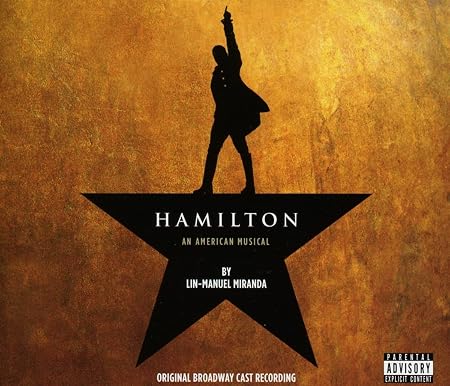
A physical CD cast recording for fans who prefer owning music outright.
Verified — real listing, active link
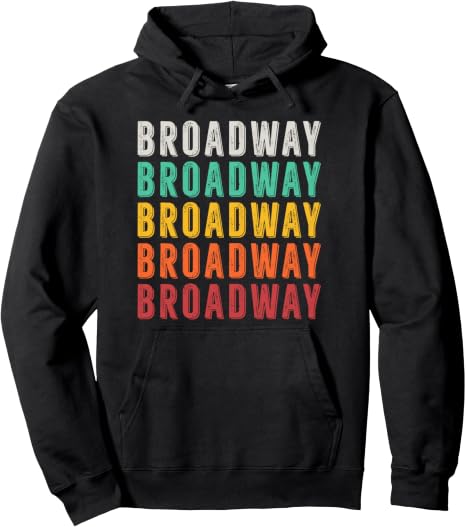
A comfortable hoodie for theatre fans who want something cozy to wear to rehearsal or the show.
Verified — real listing, active link
Broadway means more than musicals in New York. Here's what actually makes a theatre, a show, or a night out officially Broadway.
