Game
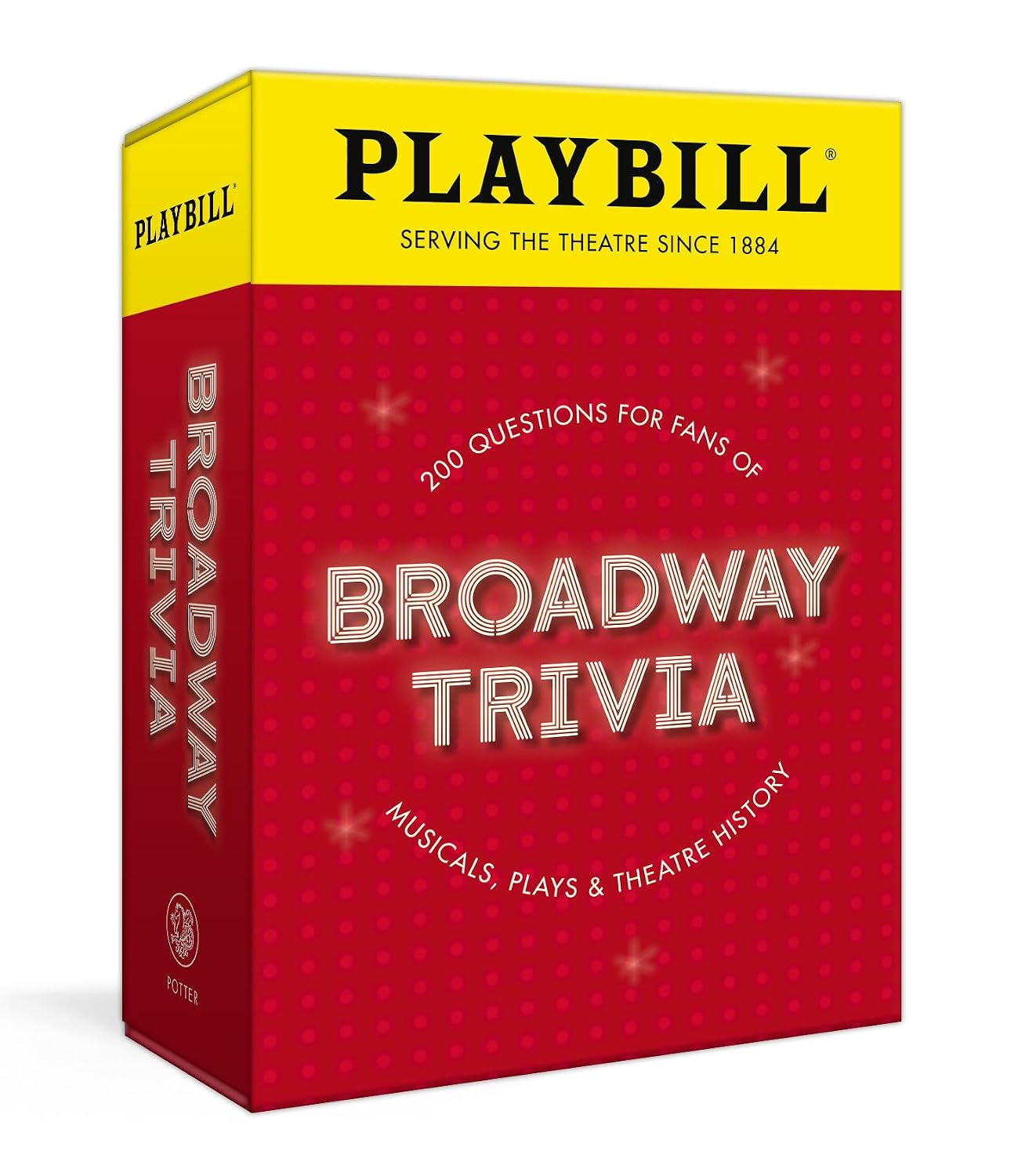
Broadway & Musical Theatre Trivia Game
A trivia game built entirely around Broadway and musical theatre knowledge.
Verified — real listing, active link
Amazon
Check Price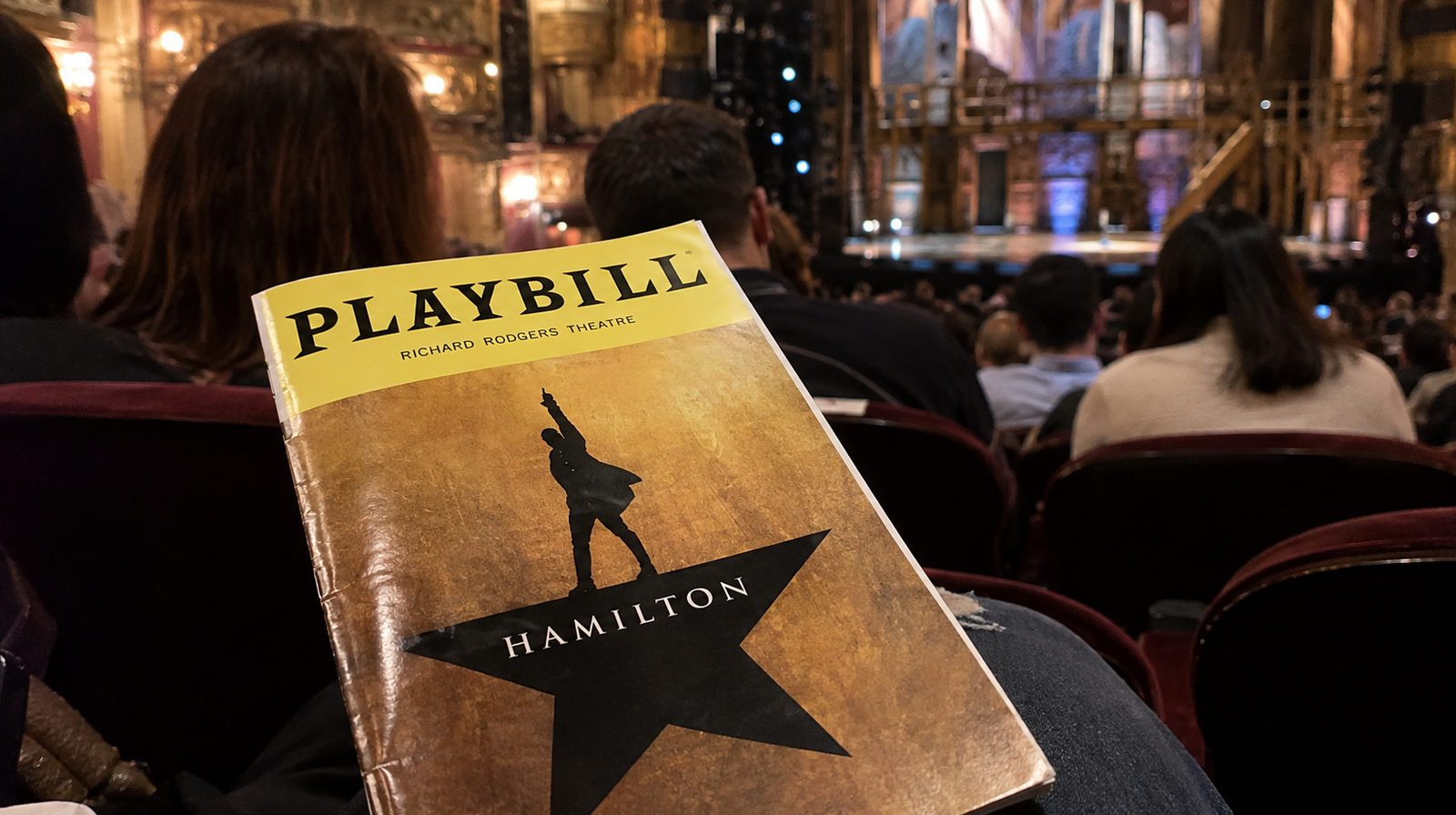
Broadway Guides
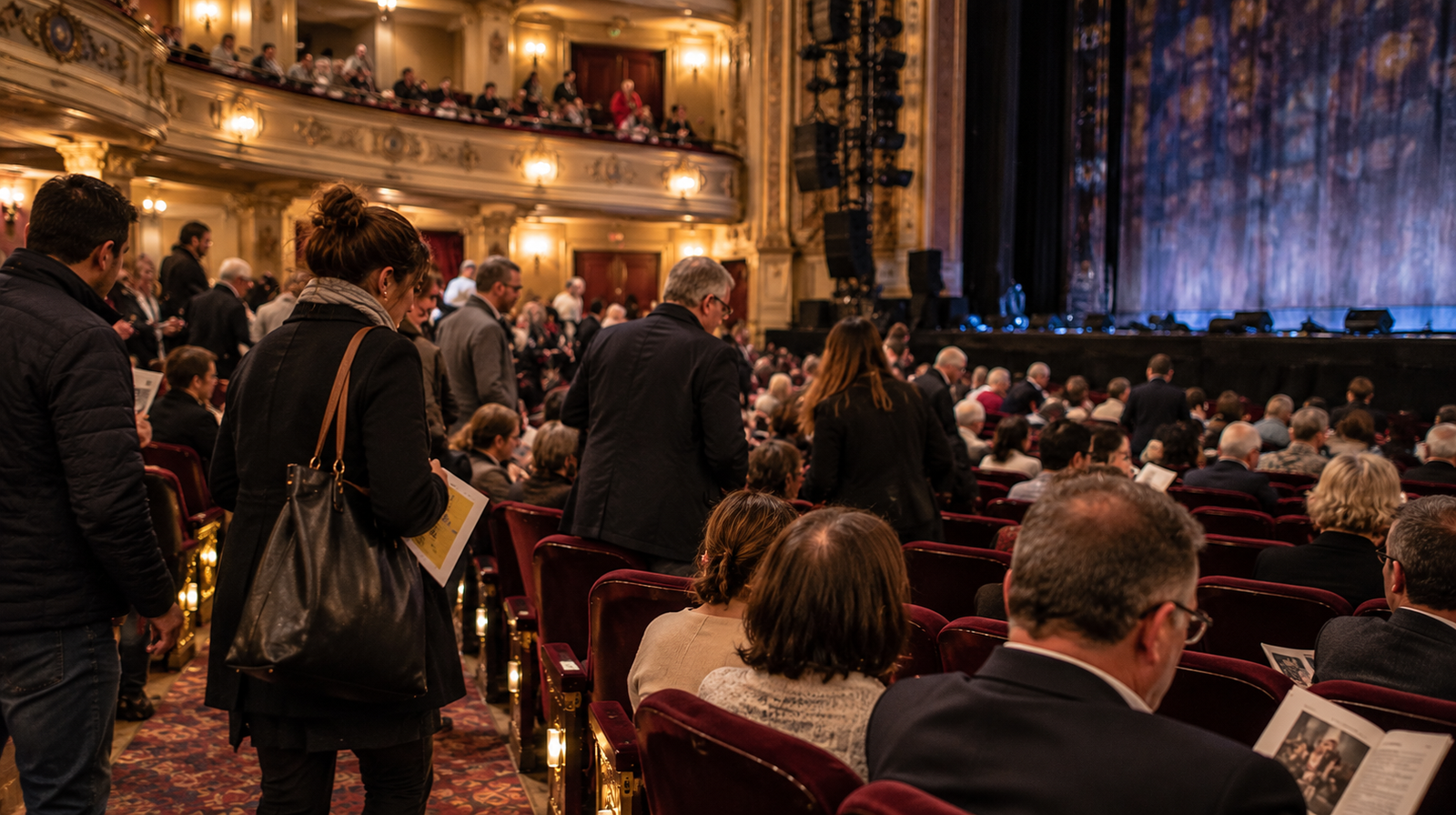
Walk out of almost any Broadway theatre and you will see the same thing at the curb, on the subway platform, in the back seat of a cab: someone flipping through a small, glossy booklet, checking the cast list one more time before it goes into a bag. That booklet is the Playbill, and it is one of the few objects a night on Broadway actually leaves you holding. The ticket gets scanned and forgotten. The Playbill goes home.
For a lot of theatregoers, that is where the real relationship with Broadway starts: not with a purchase, but with a small paper record of a specific night, this cast, this theatre, this date. Understanding what that document actually is, and why it has built such a devoted following of collectors, says something real about how people hold on to live performance in a form that otherwise disappears the moment the curtain falls.
Playbill is both a magazine and a company. Every night, theatregoers receive a copy at the door, produced specifically for the production and performance they are about to see. It functions as the official program: a cast list, a scene and song breakdown, and a set of magazine-style features wrapped around that night's specific production information.
The company traces back to 1884, when Frank Vance Strauss founded a business printing theatre programs for New York venues, starting with a single theatre on 21st Street. The word "Playbill" did not appear on the cover until the 1930s; earlier programs simply carried the theatre's own name. Ownership changed hands several times over the following decades, and the branding fans recognize today, including the familiar black-on-yellow masthead, took its current form in the 1950s under owner Gilman Kraft. The Birsh family has run the company since 1973.
That history matters because it clarifies something easy to miss: Playbill is not a generic word for "theatre program," the way "tissue" gets used for any brand of facial tissue. It is a specific publication, produced by a specific company, distributed at nearly every Broadway theatre and at many Off-Broadway and regional houses as well.
Part of the answer is longevity. A publication that has covered Broadway continuously since the 1880s becomes part of the district's institutional furniture, in much the same way marquees and stage doors are part of what actually makes Broadway Broadway rather than just theatre in general.
The larger reason is distribution. A Playbill is handed to every audience member, free, as part of the ticket price. There is no separate purchase decision and no barrier between seeing a show and owning a small piece of documentation from it, which makes it nearly universal among Broadway audiences in a way most souvenirs never manage, since a souvenir requires someone to actively choose to buy one. Because it shows up automatically, it becomes something people accumulate almost without meaning to. A single trip produces one; a few years of regular theatregoing produces a stack that starts to look less like clutter and more like a record.
A modern Playbill is built around a consistent set of elements, updated for the specific show and, at times, the specific performance: cover artwork within Playbill's own design template, a cast list organized by role with understudies and standbys noted, a "Who's Who" of short biographies for the principal cast and creative team, a scene-by-scene or musical-number breakdown, orchestra and design credits, and magazine-style editorial content unrelated to the specific show, alongside advertising.
One detail has quietly mattered to regular theatregoers: the cast-change notice. When an understudy, swing, or standby goes on for a scheduled performer, that information has traditionally arrived as a small slip of paper inserted into the Playbill by house staff before curtain. Those slips became collectible in their own right, since they document performances by actors who sometimes go on to build significant careers. Under a new Broadway contract between the Broadway League and Actors' Equity Association, ratified in late 2025, productions now have the option to handle cast changes through a QR code printed in the Playbill instead, alongside a verbal announcement or posted cast list, meaning the physical insert slip, long a small prize for collectors, may become less common going forward.
"Playbill" and "theatre program" are often used interchangeably, but they are not quite the same thing. A theatre program is the general term for any printed material a venue hands out describing a performance. A Playbill is one specific, branded version of that concept, produced by the Playbill company for the venues it works with. Off-Broadway and regional theatres sometimes use Playbill's products, sometimes a different provider, and sometimes something produced in-house. In the United Kingdom, the more common term is "programme," and British theatres more frequently sell that document rather than giving it away, posting current cast information separately near the box office instead.
A second, easily confused category is worth separating out: the souvenir program. These are glossy, often hardcover-style booklets sold separately at a lobby merchandise stand, built around production photography rather than nightly cast information. Buying one is a deliberate purchase, not something that happens automatically at the door. A Playbill and a souvenir program can exist for the same show at once, serving different purposes: one documents the specific night, the other is a keepsake built to be sold.
The simplest explanation is also the most honest one: a Playbill is proof. It puts a specific person in a specific seat, on a specific date, watching a specific cast perform a specific show. A ticket stub does something similar, but a Playbill carries far more information: who was actually on stage that night, what the production looked like at that point in its run, and what else was happening in the wider Broadway world at the time.
For fans who see the same show more than once, or follow actors across productions, a collection becomes a way of tracking a personal theatregoing history that would otherwise live only in memory. For newer fans, a single well-kept Playbill from a first trip can end up mattering more than almost any other souvenir from that visit, precisely because it was never marketed as one. That instinct connects to something larger than any individual show: the same curiosity that draws readers toward musical theatre history and biography rather than treating a show as disposable entertainment.
Not every Playbill holds equal interest, and the factors separating an ordinary copy from a sought-after one tend to be specific rather than vague.
Opening night is the clearest example. Playbills distributed on a show's official opening night traditionally carry a distinct marking, often a small seal on the cover, with the date recorded on the title page inside. Because opening night is a single, unrepeatable performance witnessed by a comparatively small audience, those copies are consistently more sought after than one from a random Tuesday later in the run.
Cast is another major factor. A Playbill documenting an original Broadway cast, especially for a landmark production, holds more interest than one from a touring company or a long-since-replaced cast, and a signature adds a further layer by tying the object to a verified interaction. Rarity matters just as much as prestige: productions that closed quickly can leave behind relatively few surviving Playbills, simply because fewer performances happened. Age alone does not make a Playbill meaningful; a common program from a decades-long hit is not automatically more interesting than a well-documented copy from a recent, limited engagement. What collectors generally weigh is scarcity, documented significance, and condition together, not years elapsed.
Beyond the standard nightly issue, Playbill periodically produces editions built for collectors. In October 2024, marking the company's 140th anniversary, Playbill distributed a set of "Legacy Covers" at Broadway theatres: four retro cover designs, each modeled on a different era in the company's history, wrapped around the standard issue as a bonus rather than a replacement. Theatregoers on different nights received different designs, turning an ordinary trip into an unplanned scavenger hunt for collectors chasing the full set.
Pre-Broadway and workshop productions generate their own category of unusual Playbills, produced for a run at a smaller venue before a show transfers uptown. Early Hamilton Playbills from the show's run at the Public Theater are a well-known example of an early-stage document taking on outsized significance once a production becomes a cultural phenomenon. Celebrity appearances, milestone performances, and a production's final performance can also produce Playbills collectors treat as distinct from an ordinary night's issue, even when the printed contents look nearly identical to the copy handed out the night before.
A Playbill collection rarely starts with a plan. Most begin the same way: someone keeps the Playbill from a show that mattered to them, then keeps the next one, and eventually notices they have enough to organize. From there, a few approaches tend to shape a collection: focusing on a specific performer across every production they appear in, a specific theatre or era, or simply every show a fan personally attends, treated as a theatregoing diary rather than a curated set. None of these is more legitimate than another; having an organizing principle matters more than which one it is, since an unsorted pile becomes harder to appreciate as it grows.
For anyone building a first trip around seeing a specific show, understanding how ticketing actually works and what a Broadway visit involves more broadly makes it easier to plan a trip that produces a Playbill worth keeping, rather than treating the program as an afterthought picked up on the way out.
Playbills are printed on relatively lightweight paper stock, vulnerable to the problems that affect most paper ephemera: yellowing from light exposure, creasing from being folded or stuffed into bags, and humidity damage from long-term storage in attics or basements. Keeping Playbills flat rather than folded prevents the crease lines that reduce condition. Archival-quality sleeves or boxes, the kind sold for comic books and other paper collectibles, protect against handling damage and light far better than a drawer or a shopping bag, and stable temperature and humidity matter more than any specific display method. None of this requires specialized theatre-collecting knowledge; it is the same basic logic used for postcards and comic books: control light, control humidity, store flat.
Some Playbills genuinely carry meaningful value to collectors, but the honest answer is that value depends on a combination of factors rather than any fixed rule: demand, rarity, condition, the specific production and performance, and provenance, meaning a documented history of where a copy came from. A signed opening-night Playbill from a historically significant original cast is a different object, in collecting terms, than a well-worn copy from a long-running show's two-thousandth performance, even if both are decades old. Age by itself is a weak predictor of value.
For most people who keep Playbills, though, the more accurate answer is that the value is personal rather than financial. A Playbill from a first Broadway trip, or a show shared with someone who has since passed away, carries a kind of worth that has nothing to do with what a collector elsewhere might pay for it.
The most reliable source is still the simplest one: attend a Broadway performance, where a copy is included at no additional cost. Beyond that, Playbill maintains an online archive, the Playbill Vault, documenting productions and their original programs back to 1930, useful for research even without a physical copy in hand. Secondhand marketplaces, memorabilia dealers, and estate sales are the other common sources for older or historically significant Playbills no longer in circulation. Buyers working through those channels should apply the same care as with any paper collectible: verifying the production and date, checking condition honestly, and staying skeptical of any signature that cannot be reasonably attributed. Fans assembling a broader collection of Broadway keepsakes, rather than Playbills specifically, may also find gift-minded guides to Broadway memorabilia useful for thinking about how a Playbill fits alongside other souvenirs.
Strip away the collecting culture and the historical trivia, and a Playbill still does one thing better than almost any other Broadway souvenir: it ties an abstract cultural experience to a specific, verifiable moment. A T-shirt says someone likes a show. A Playbill says something more precise: this person was in this room, on this date, watching this particular group of performers do this particular show. That specificity is why people keep them long after forgetting the ticket price or where they sat, a small, durable anchor for a night that would otherwise exist only as memory.
A Broadway Playbill starts as a practical object, something to check before the lights go down. For a lot of theatregoers, it does not stay practical for long. It becomes the thing pulled out of a drawer years later to settle an argument about who originated a role, or to place exactly when a trip to New York happened. Understanding what a Playbill actually is, and why fans treat a stack of them as worth preserving, is an answer to a larger question: how people hold on to an experience that, by its nature, is built to disappear the moment it ends.
Some links in this guide may be affiliate links. See our affiliate disclosure.
A trivia game built entirely around Broadway and musical theatre knowledge.
Verified — real listing, active link
A biography spotlighting a notable figure from Broadway history.
Verified — real listing, active link
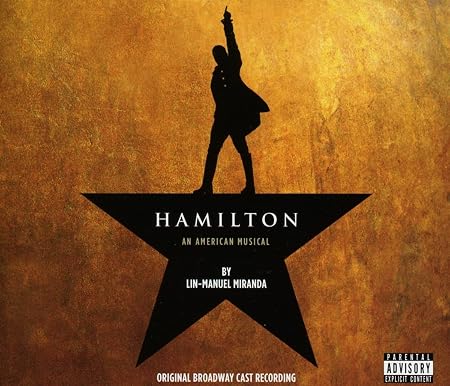
A physical CD cast recording for fans who prefer owning music outright.
Verified — real listing, active link
A comfortable hoodie for theatre fans who want something cozy to wear to rehearsal or the show.
Verified — real listing, active link
There's no single right way to buy a Broadway ticket. This guide breaks down the official routes — box office, rush, lottery, and resale — so you can choose based on your own priorities, not guesswork.
Most of what people call Broadway etiquette isn't a secret rulebook. It's a handful of practical expectations, some official policy and some shared cultural norm, that keep a live performance working for everyone in the room at once.
Broadway means more than musicals in New York. Here's what actually makes a theatre, a show, or a night out officially Broadway.