FeaturedGift Set
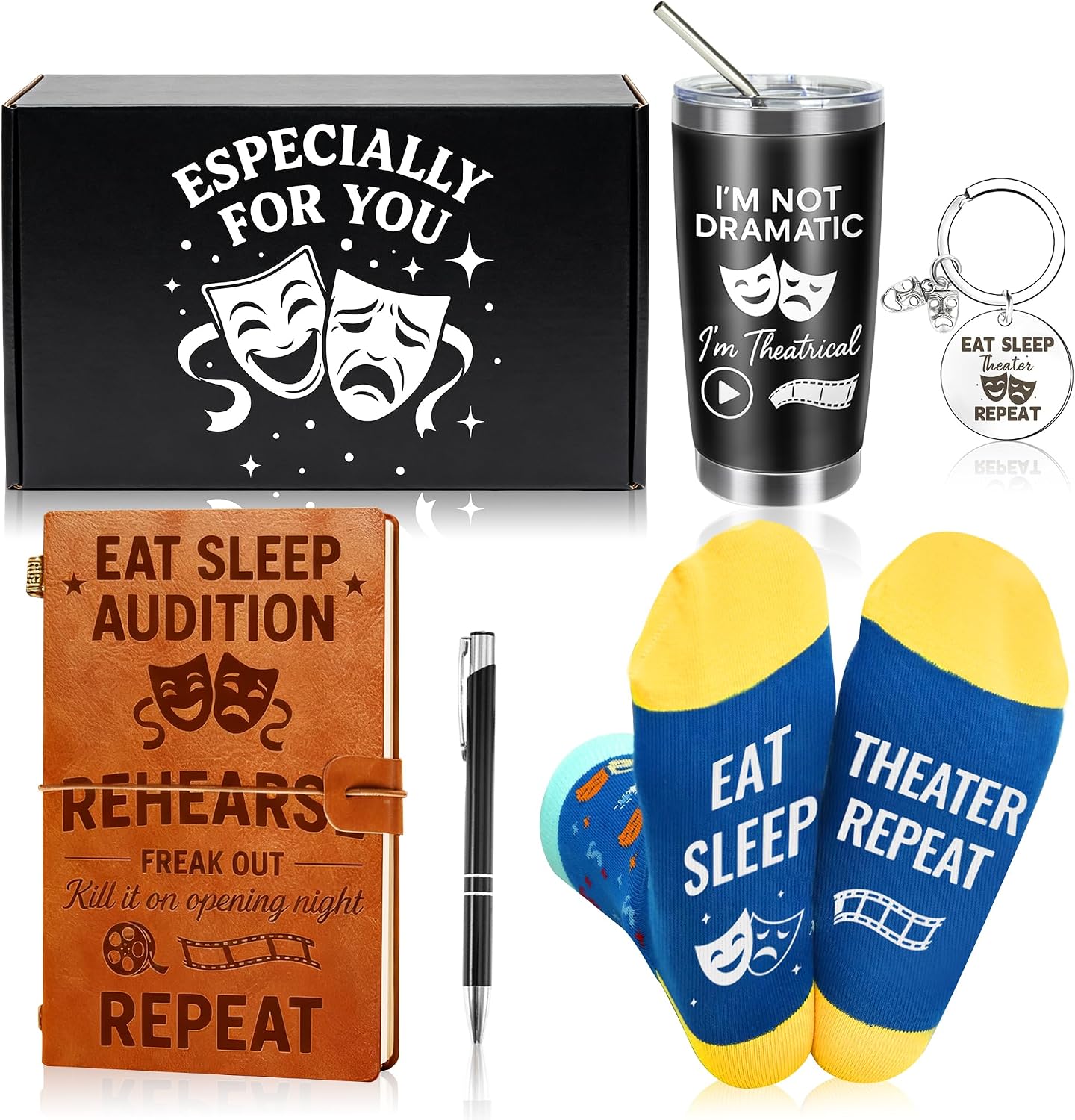
Musical Theatre Fan Gift Box
A bundled gift box combining several small musical theatre-themed items.
Verified — real listing, active link
Amazon
Check Price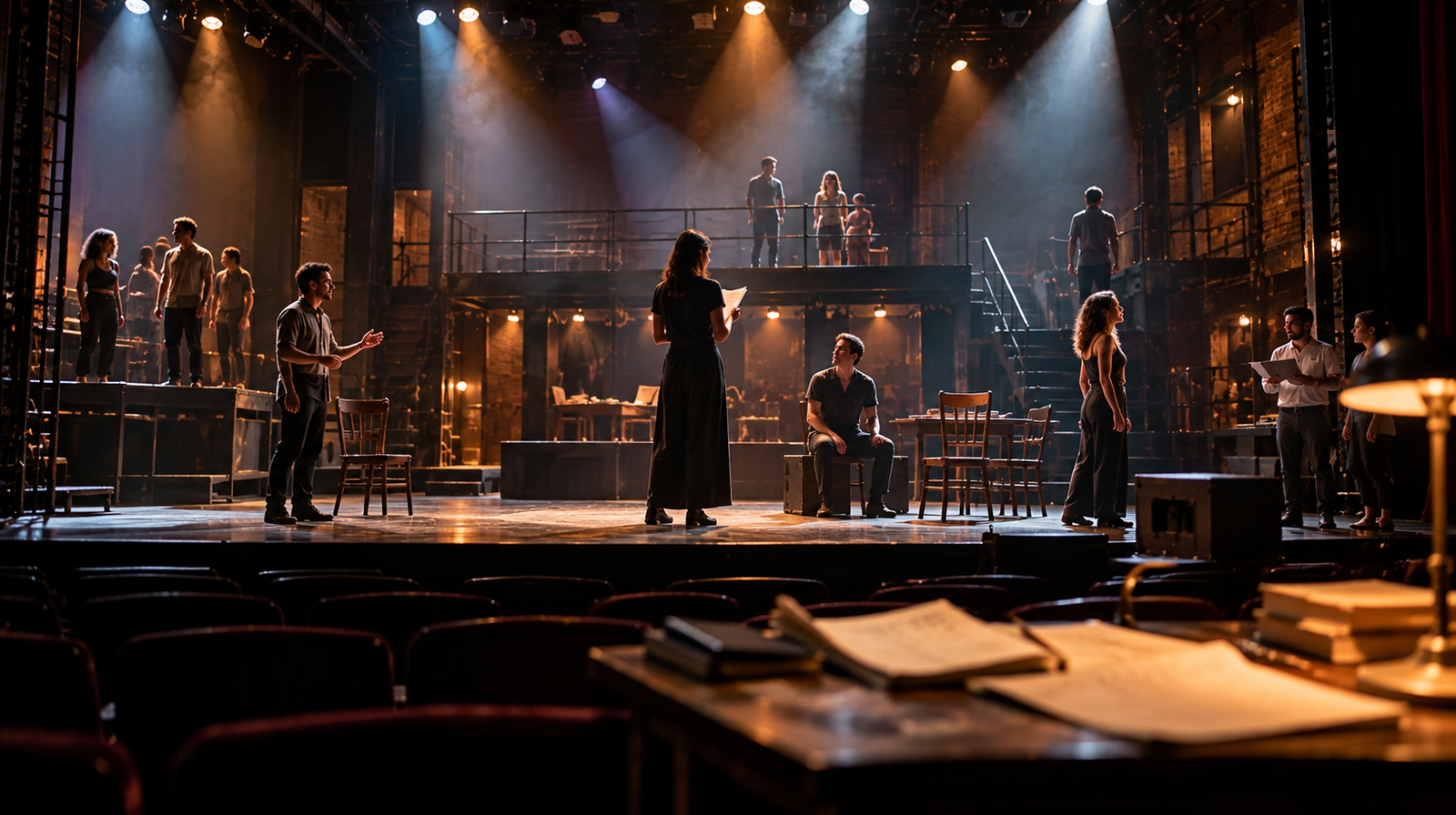
Musical Theatre Guides
Most musicals answer a simple structural question the same way: what happens next. A character wants something, obstacles appear, events accumulate, and the songs mark the emotional high points along that chain of cause and effect. Some musicals answer a different question instead. Rather than asking what happens next, they ask what this evening is actually about, and organize everything else, scenes, songs, time, memory, staging, around that idea. Neither approach is more legitimate than the other. They are simply solving different problems, and the second one is usually what people mean when they call a show a concept musical.
A concept musical is a musical in which a central idea, theme, or theatrical structure plays an unusually large role in organizing the audience's experience, sometimes as large a role as plot itself. The term describes a tendency rather than a fixed formula: it points to shows where the relationship between scenes, songs, and staging is governed by a governing idea, a recurring image, or a structural conceit, rather than by a straightforward chronological story alone.
The phrase itself dates to a 1968 New York Times review by critic Martin Gottfried, discussing director Harold Prince's work on Zorba. Gottfried wrote that "conception is the big word here: it is what is coming to replace the idea of a 'book.'" He later refined the idea further, describing a concept musical as one whose "music, lyrics, dance, stage movement and dialogue are woven through each other in the creation of a tapestry-like theme," rather than existing primarily to support a plot. That framing matters because it locates the term where it belongs: in theatre criticism and scholarship, describing a pattern critics noticed across certain productions, not in any official Broadway classification system that sorts shows into fixed categories.
A traditional book musical is built on plot progression: a character wants something, decisions have consequences, and scenes generally follow one another in a cause-and-effect chain that moves toward a resolution. Songs tend to arrive at moments of heightened feeling within that chain, doing emotional work the dialogue has set up.
A concept musical can still have a plot, and it can still have characters who want things and grow across the evening. What changes is what's doing the organizing work. Scenes might be arranged around a recurring image or ritual rather than strict chronology. Time might fold backward and forward instead of moving in one direction. A show might return obsessively to the same structural device, a recurring gathering, a framing device, a central question, letting that device carry as much of the audience's understanding as the plot does. None of this means the form abandons character or story. It means the show has decided that a theatrical idea deserves equal billing with them.
The concept musical didn't appear from a single source so much as accumulate out of a broader shift already underway in American musical theatre: as the history of the musical traces, directors, choreographers, and designers were taking on more authorship over a show's overall shape throughout the mid-twentieth century, not just serving a pre-written book. Part of that shift also ran through choreography itself: West Side Story, a few years earlier, had already shown that movement and staging could carry as much narrative weight as dialogue, a related but distinct idea from organizing a whole show around a single concept. By the 1960s, that broader shift had produced several shows commonly cited as steps toward what critics started calling the concept musical, including Man of La Mancha (1965), Cabaret (1966), and Hair (1967), each organizing its material around a governing idea more assertively than the standard book musical did.
Harold Prince, working as both producer and director, is closely associated with this development, and so is Stephen Sondheim, whose long collaboration with Prince produced some of the form's most frequently cited examples. It would overstate the record to credit either of them with inventing the concept musical outright; the term itself was coined by a critic describing a trend already visible in Prince's directing work, and multiple shows by multiple creative teams were pushing in a similar direction around the same time. What Prince and Sondheim's partnership did, starting with Company in 1970, was demonstrate how far a Broadway musical could lean into that structural idea while still succeeding commercially and critically.
Company, with a book by George Furth and music and lyrics by Stephen Sondheim, began as something else entirely: a set of one-act plays Furth had written about contemporary marriage. Harold Prince, directing, suggested reshaping that material into a musical, and the creative team made a deliberate choice not to force it into a conventional plot.
What resulted is built around Bobby, a single man in his thirties, and the five married couples who make up his closest friends. Rather than following a chronological story, the show moves through a series of vignettes, glimpses of these marriages, of Bobby's own girlfriends, of small domestic moments, tied together by a recurring frame: a birthday party thrown for Bobby, which the show returns to repeatedly as its structural anchor. The organizing question running underneath all of it, whether solitude or partnership actually serves a person better, gets tested from a different angle in nearly every scene rather than resolved through a single unfolding plot.
That structure is why Company is so frequently cited as one of the form's most influential examples: it did not abandon character, relationship, or feeling to make its point. It simply reorganized how those elements related to each other, letting a central question do work that plot mechanics usually do instead.
Follies, with music and lyrics by Sondheim and a book by James Goldman, directed by Prince, opened the following year and pushed the same underlying idea somewhere more explicitly theatrical. The show gathers former Ziegfeld-style showgirls and their husbands for a reunion staged inside the crumbling theatre where they once performed, on the night before it's demolished.
Memory becomes the show's actual structural material rather than simply its subject. As the older characters revisit their past, the musical stages younger versions of themselves alongside them, letting past and present physically share the stage instead of cutting between them. The theatre itself, aging and about to disappear, works as a literal setting and a structural metaphor at once, for these characters' own faded ambitions and for a certain kind of American showmanship the musical treats as already passing away. The show's pastiche numbers, songs written to evoke earlier eras of Broadway and vaudeville, extend that same idea into the score itself: the music doesn't just accompany the nostalgia, it performs it.
The honest answer is that it depends on which part of the show a given source is describing, and it's worth resisting a tidy yes-or-no here. Cabaret, directed by Prince with a score by John Kander and Fred Ebb, is frequently discussed in relation to concept-musical technique, largely because of how it uses the Kit Kat Klub and its Emcee. Commentary on the show has described Prince's team as effectively building two shows at once: a more conventional book musical following its central romantic and political plot, and a separate, concept-driven layer in which the Kit Kat Klub's musical numbers comment on that plot from the outside, using the club as a metaphor for the political rot spreading through Weimar Germany.
That dual structure is exactly why Cabaret resists a single tidy label. Its book scenes function much like a traditional musical's do. Its Kit Kat Klub sequences function like something closer to the concept musical model, theme expressed through musical numbers, standing apart from the plot rather than advancing it directly. Different scholars and critics weigh those two halves differently, and treating the show as simply "a concept musical" without qualification flattens a structure that's more genuinely hybrid than that label suggests.
No. But that doesn't mean a concept musical has no narrative at all. The distinction lies in what's actually organizing the audience's experience moment to moment, not in whether events happen or characters change. Company has a clear emotional arc for Bobby even without a conventional plot spine. Follies moves through a single night in real time even as it lets memory scramble past and present. A show can have real narrative momentum and still be organized, at a deeper structural level, around a concept rather than a chain of consequences.
Structure isn't just a technical detail in these shows; it's doing meaning-making work that dialogue and plot alone couldn't do as efficiently. Organizing scenes around a recurring idea lets a show build meaning through repetition and juxtaposition, placing two moments side by side so the audience draws a connection the script never states outright. Non-linear staging lets a musical treat memory the way memory actually behaves, associatively, rather than chronologically. Design, choreography, and orchestration can all reinforce that same structural idea, so that the theatrical experience of watching the show, not just its plot, communicates what it's actually about. That's the real argument for taking structure seriously as its own creative choice: form itself can carry meaning, independent of what happens to any single character.
Not automatically, and it's worth being precise here rather than stretching the term to cover anything structurally ambitious. Hamilton borrows techniques associated with concept-driven theatre, recurring musical motifs, non-naturalistic staging devices, a framing narrator whose reliability the show deliberately complicates, without organizing its entire structure around a single governing concept the way Company or Follies does. It still follows a substantially linear biographical arc. The same is true of a lot of contemporary work: modern musicals borrow freely from concept-musical technique, much as they borrow from sung-through musical structures or jukebox musical formats, without necessarily belonging fully to any one of those categories. Using a device associated with a form isn't the same as being that form.
Concept-driven work expanded what a musical could plausibly attempt. It gave the form permission to organize an evening around an idea, a question, or a structural conceit instead of requiring every show to justify itself through plot alone, which opened space for musicals about memory, ambivalence, and abstraction that a strictly linear structure would have struggled to hold. That expansion didn't make the traditional book musical obsolete or inferior; shows built on clear plot progression have continued to do work concept-driven structures can't do as well; the two approaches simply give musical theatre more available tools than either one offers alone. Readers curious about the writers and directors behind this shift, Sondheim, Prince, and their collaborators specifically, will find that history covered at greater length in our guide to musical theatre books.
A concept musical is a musical in which a central idea, theme, theatrical concept, or organizing structure plays an unusually important role in shaping the audience's experience, often standing alongside plot rather than replacing it. The term is a critical and descriptive one, not a rigid official classification, which is exactly why shows like Company, Follies, and Cabaret get discussed in relation to it in such different ways. What unites them isn't a shared formula. It's a shared willingness to let structure itself mean something.
Some links in this guide may be affiliate links. See our affiliate disclosure.
A bundled gift box combining several small musical theatre-themed items.
Verified — real listing, active link
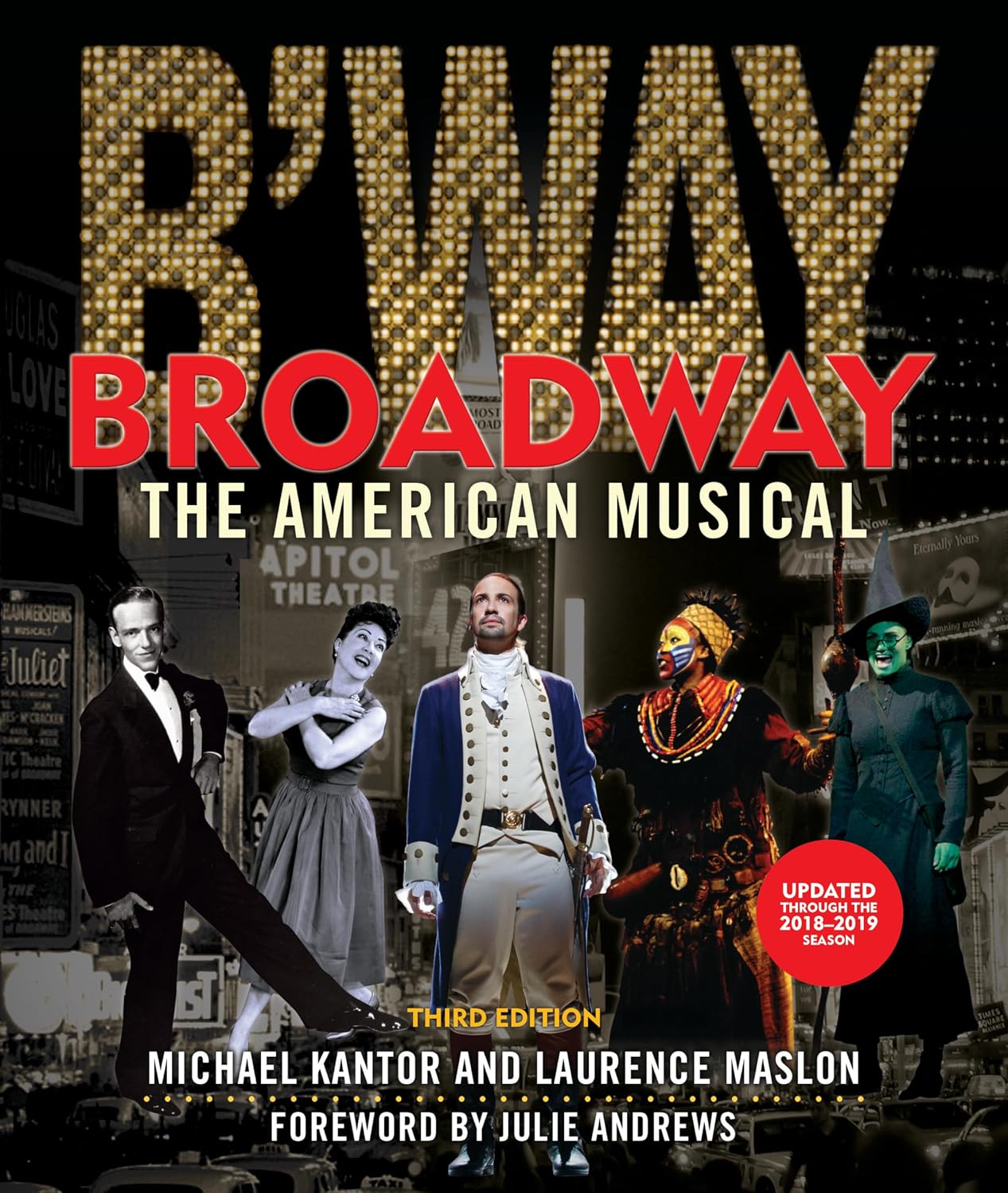
A book tracing the evolution of the musical theatre art form.
Verified — real listing, active link
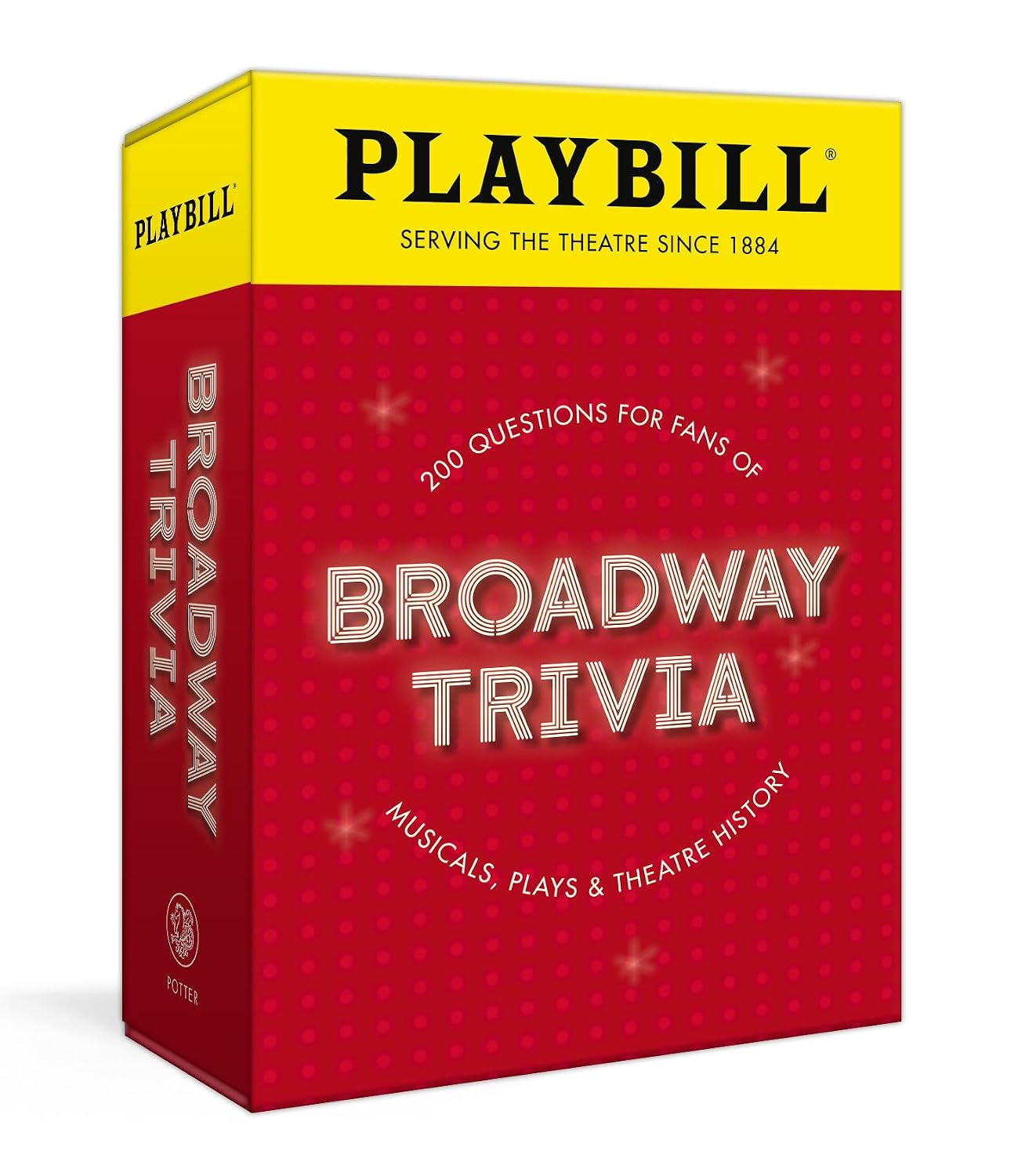
A trivia game built entirely around Broadway and musical theatre knowledge.
Verified — real listing, active link
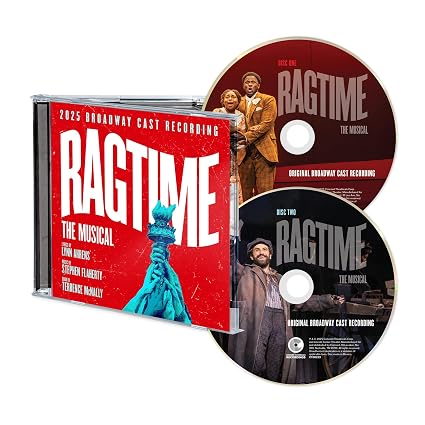
A physical CD cast recording for fans who prefer owning music outright.
Verified — real listing, active link
How the modern musical took shape: from ballad opera and vaudeville through Rodgers and Hammerstein to today's book, concept, and jukebox musicals.
Jukebox musicals don't simply borrow famous songs. The real work is inventing reasons those songs belong to new characters and a new story, something every production from Ain't Misbehavin' to Mamma Mia! has had to solve in its own way.
What is a sung-through musical? Learn how shows like Hamilton and Les Misérables tell stories through continuous music instead of traditional spoken dialogue.