Game
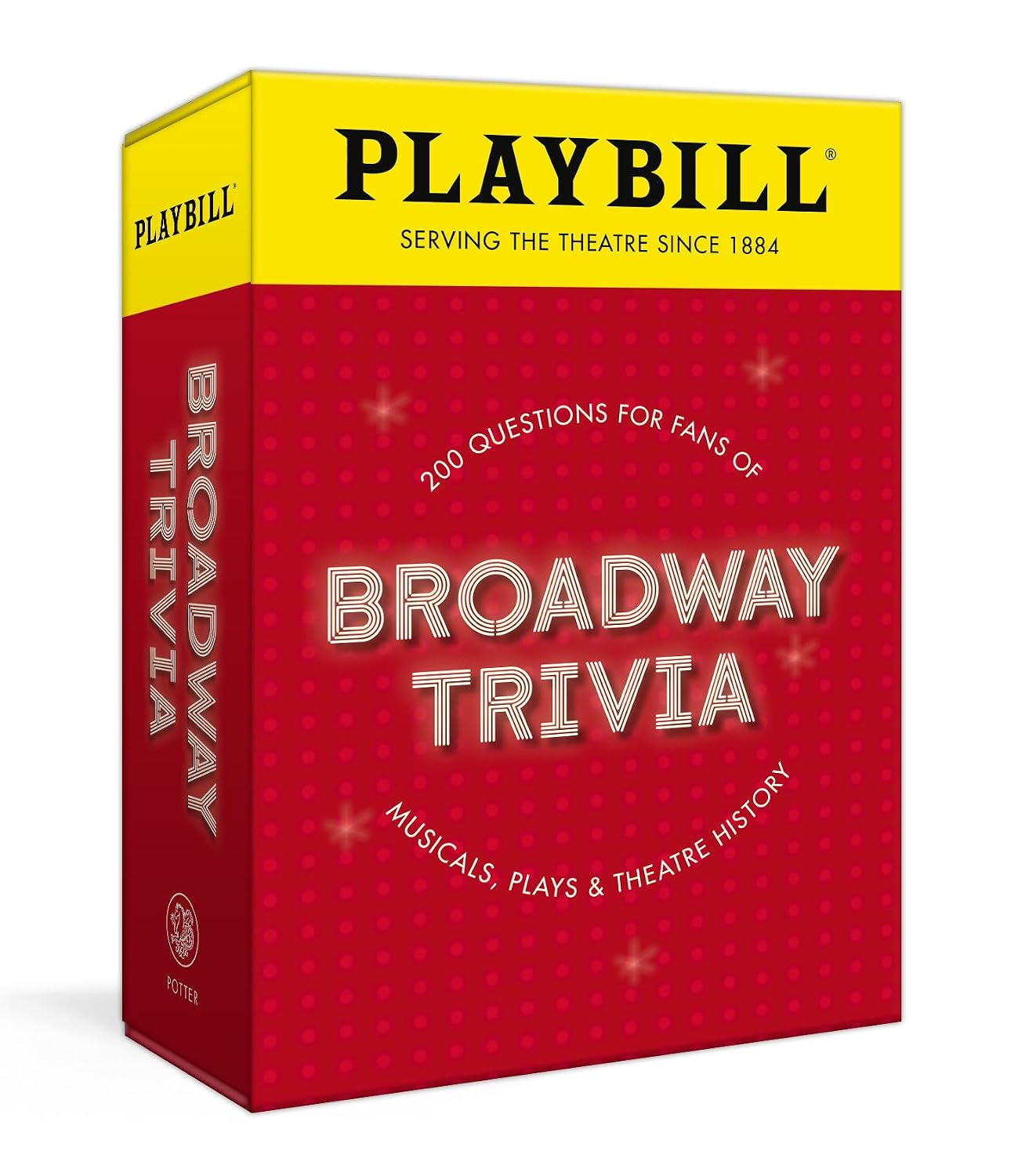
Broadway & Musical Theatre Trivia Game
A trivia game built entirely around Broadway and musical theatre knowledge.
Verified — real listing, active link
Amazon
Check Price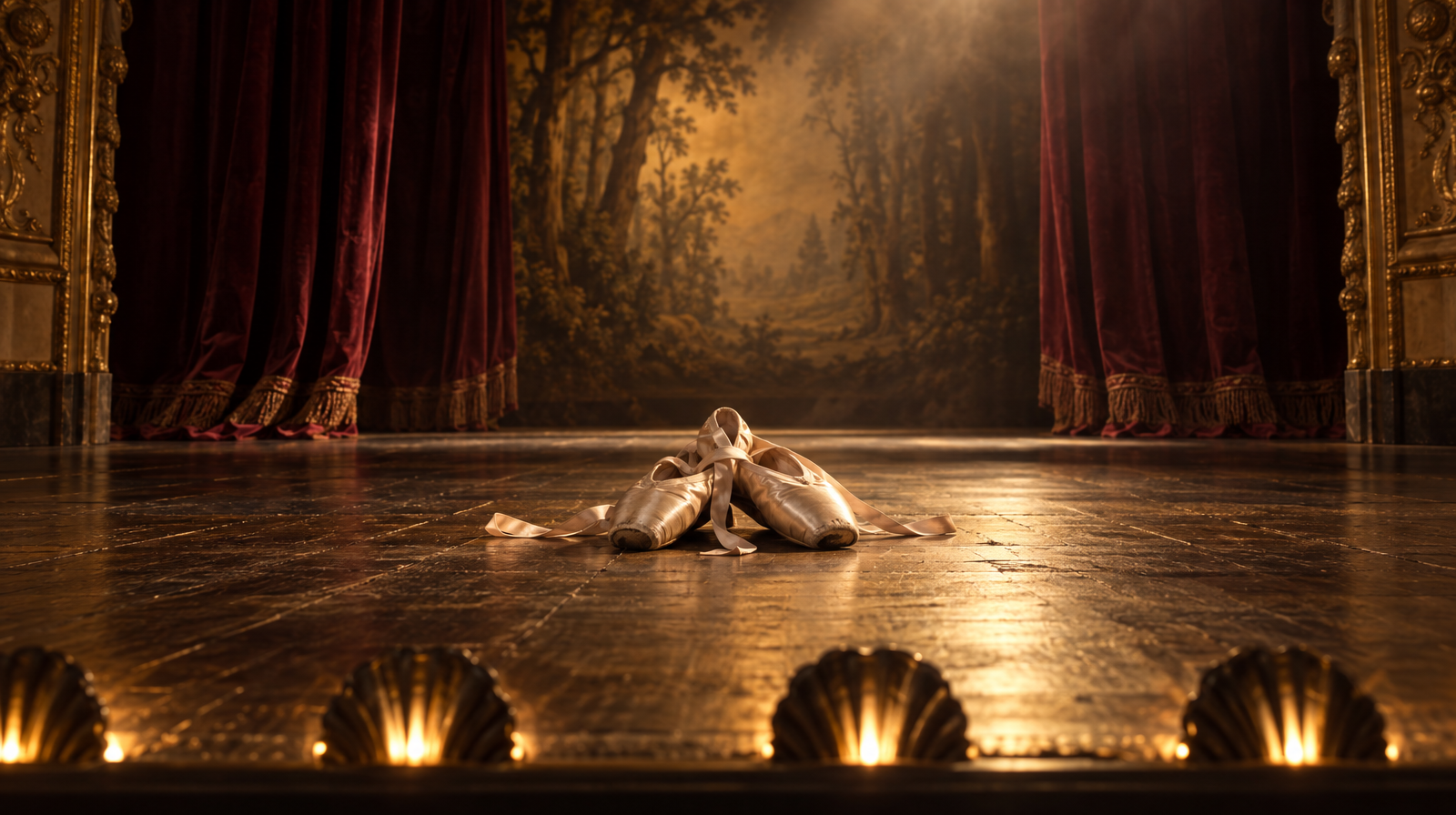
Broadway Guides
The most common answer is The Black Crook, which opened at Niblo's Garden on September 12, 1866, and ran for 474 performances. Historians dispute the title because earlier New York shows also mixed songs and story, and The Black Crook's fame rests more on that long run than on being truly first.
A theatre burned to the ground in the spring of 1866, and that turned out to be good news for musical theatre.
The fire took out New York's Academy of Music, where a touring ballet troupe from Paris had been booked to perform. Suddenly they had costumes, dancers, and nowhere to dance. Down on Broadway, Niblo's Garden was rehearsing a different kind of trouble, a stiff, Faust-flavored melodrama by Charles M. Barras that manager William Wheatley didn't think would work on its own. Wheatley had an idea.
The question hides two separate arguments, one about geography and one about definition.
The geography argument comes first. In the 1860s, "Broadway" meant a specific street running through lower Manhattan, and Niblo's Garden sat right on it. Today's Broadway, the cluster of theatres around Times Square, didn't exist under that name until 1904, when Longacre Square was renamed after The New York Times moved its offices there.
Call The Black Crook "the first Broadway musical" and you're using the 1860s meaning of the word. Under the modern meaning, the search doesn't start until decades later.
The definition argument runs underneath that one. The Black Crook stitched dances and songs into an existing melodrama, and the songs decorated the plot rather than carrying it. The integrated musicals that came along decades later worked differently, tying a song to the story tightly enough that it could move the plot forward the way a scene of dialogue would. Require that second kind of musical, and The Black Crook stops qualifying at all.
Wheatley found a home for the stranded ballet, which producers Henry C. Jarrett and Harry Palmer had brought over from Paris for La Biche au Bois. He folded it into Barras's script at Niblo's Garden and spent on a scale nobody in New York theatre had tried before, 110 tons of scenery and costumes, built and painted for a single production.
It opened at Niblo's Garden on September 12, 1866, costing a reported $25,000 to produce. It ran more than five hours. Critics were unimpressed by the writing. The New York Tribune called the drama itself "rubbish," even while praising the scenery and the ballet.
Ticket buyers didn't care. The show ran 474 performances, a record nobody in New York theatre had touched before, and returned for revivals in 1870, 1871, and 1873, plus a London production in 1872 and a silent film version in 1916.
A minister named Charles Smyth rented the Cooper Institute and lectured a packed hall for three hours on the immorality of the dancers' costumes. Audiences went anyway. Mark Twain wrote his own mocking account of the production the following year.
Part of the draw, according to theatre historian John Kenrick, was timing. Women who had taken on public roles during the Civil War felt freer to attend the theatre than they had before it, some arriving heavily veiled.
The songs came from Niblo's musical director, Thomas Baker, who arranged the score with music by Giuseppe Operti and others. The one tune anyone still remembers is "You Naughty, Naughty Men." Almost none of the original music survives beyond a handful of 1866 sheet music pages, though a prompt book from the production is preserved at the New York Public Library.
Whether The Black Crook counts as a musical in the modern sense is a separate question. Barras wrote a melodrama first, and Wheatley added the dancing and the songs to sell tickets on top of it. The plot's main job was creating excuses for the next number. John Kenrick's own view is that whether it was first is debatable, though it proved how profitable musical theatre could be in America and launched a wave of "extravaganzas" with thin plots and songs unrelated to the story, a template Broadway kept copying for decades.
The Beggar's Opera got there first by more than a century. John Gay's ballad opera, already decades old in London, was staged in New York by a touring company called Murray and Kean, playing a handful of performances as part of a rotating repertory season that ran from December 3, 1750, to May 13, 1751. It predates The Black Crook and rarely gets mentioned in the same sentence, because it wasn't American and wasn't on the street called Broadway.
The Naiad Queen, in 1841, is historian Kurt Gänzl's preferred counterexample, proof that shows combining spectacle, music, and story existed well before 1866. Nobody remembers it today. Gänzl's own argument is that a long run earned The Black Crook its reputation as "first," regardless of what had come before it.
At Laura Keene's Theatre, 622 Broadway, The Elves opened March 16, 1857, with music arranged by Thomas Baker, the same musical director who would later arrange The Black Crook. It ran 50 performances, a record at the time, and Keene followed it with The Seven Sisters in 1860, which ran for 253. Keene herself was one of the first women to run a major New York theatre.
Her shows sat on Broadway itself and broke real records, and they still lost the title to a show that opened nine years later, mostly because nobody kept telling their story the way they kept telling The Black Crook's.
Eight years after The Black Crook, the same Niblo's Garden stage hosted Evangeline, on July 27, 1874, and this one earns a real "first." It's usually credited as the first Broadway show built entirely around an original American score written by a single composer. Edward E. Rice wrote the songs, and he did it by ear. He couldn't read music.
A collaborator, John J. Braham, transcribed and orchestrated what Rice played for him. The show itself was a burlesque of Longfellow's poem, and its first run was short, just 16 performances. What followed was a long, successful tour and repeated returns to New York.
The Black Crook's 474-performance record stood for eighteen years before Adonis broke it in 1884, becoming the first Broadway musical to pass 500 performances. Seven years later, A Trip to Chinatown pushed the bar much higher. Charles Hoyt and Percy Gaunt's musical opened at the Madison Square Theatre in 1891 and ran 657 performances, just short of two years, holding the Broadway record until Irene arrived in 1919.
Its cast played ordinary working Americans instead of European aristocrats, a real shift for the era, and one of its songs, "The Bowery," is still recognizable today. At one point a second company performed it in New York at the same time as the original run.
In Dahomey opened at the New York Theatre on February 18, 1903, and it deserves full billing here. The music came from Will Marion Cook, the lyrics from poet Paul Laurence Dunbar, the book from Jesse A. Shipp, and the stars were Bert Williams and George Walker. It closed on Broadway after 53 performances, a solid run by the standards of 1903, and then went further than any Black-led American production had gone before.
The full company crossed the Atlantic, opened at London's Shaftesbury Theatre that May, and performed for the royal family at Buckingham Palace. The New York Times ran the headline "Dahomey on Broadway" the day after it opened.
Broadway musicals had mostly avoided serious subject matter until Show Boat opened at the Ziegfeld Theatre on December 27, 1927. Jerome Kern and Oscar Hammerstein II's adaptation of Edna Ferber's novel put racial prejudice and a mixed-race marriage at the center of the plot. It ran 572 performances before closing in 1929.
Florenz Ziegfeld, who produced it, reportedly called the show the opportunity of his life. Jules Bledsoe originated the role of Joe, the part later generations would come to associate with Paul Robeson, who wasn't in the original Broadway cast.
Oklahoma! opened at the St. James Theatre on March 31, 1943, under a title, Away We Go!, that its own creative team dropped after tryouts in New Haven. Rodgers and Hammerstein, working together for the first time, tied the songs and the choreography tightly to the story, including Agnes de Mille's dream ballet, a dance sequence built to reveal character rather than pause the plot for a number. Word reached New York before opening night that the show would probably flop.
It ran 2,212 performances instead, closing in 1948, and reset what people expected a musical's songs to do. West Side Story, fourteen years later, pushed that same idea into dance-driven storytelling that barely paused for dialogue at all.
Ten shows, spanning nearly two centuries, each hold a legitimate claim to some kind of first.
Name The Black Crook. Its claim to being first doesn't survive serious scrutiny, but its 474 performances did something none of its rivals managed. They made 1866 impossible to ignore.
The argument over "first" says more about how the form developed than about any single show. New York had real musical-adjacent hits before 1866 (The Beggar's Opera, The Naiad Queen, The Elves), and each one vanished from memory because nothing about it got repeated or revived. The Black Crook broke that pattern by running long enough, and profitably enough, to get copied.
Every "first" that followed it (Evangeline's original score, In Dahomey's all-Black company, Show Boat's serious subject matter, Oklahoma!'s fused songs and story) is really an answer to the same question. What can a musical actually do? The Black Crook was the first New York show profitable enough to make people keep asking it.
What is the oldest musical still running on Broadway?
Chicago holds this title. The 1996 revival has played at the Ambassador Theatre since 2003 and had reached 11,776 performances as of September 2026, the longest-running show currently on Broadway. The Phantom of the Opera still holds Broadway's all-time record at 13,981 performances, a run that ended on April 16, 2023.
What was the first musical ever written?
Historians don't agree on a single answer, though John Gay's The Beggar's Opera is the earliest work regularly cited as an ancestor of the modern musical. Gay wrote it in London in 1728, combining spoken dialogue with popular songs set to existing tunes. It reached New York decades later, with performances recorded at the Nassau Street Theatre between December 3, 1750, and May 13, 1751.
Was The Black Crook a musical or a ballet?
It was neither on its own. The Black Crook combined a spoken melodrama by Charles Barras with an imported Parisian ballet company and songs arranged by Thomas Baker, stitched together after a theatre fire left the dancers without a stage. None of the three elements was written to work with the others, which is exactly why historians still argue about what to call the result.
What was the first Broadway musical by Black creators?
In Dahomey holds this title. It opened February 18, 1903, at the New York Theatre, with music by Will Marion Cook, lyrics by Paul Laurence Dunbar, and a book by Jesse A. Shipp, starring Bert Williams and George Walker. After 53 performances on Broadway, the production toured to London and performed for the royal family at Buckingham Palace.
If The Black Crook's backstage chaos interests you more than its songs, the New York Public Library holds a digitized prompt book and surviving sheet music from the original 1866 production, useful for anyone who wants to look at the actual documents rather than take a historian's word for it.
For a single book that walks through this whole timeline and beyond, A History of Musical Theatre covers the ground from The Beggar's Opera through the present in far more depth than one article can manage, and it's a reasonable next stop for anyone who read this far.
Broadway Playbills covers a different kind of theatre history, the printed programs handed out at every performance since long before The Black Crook, for readers more curious about the objects than the arguments.
If reading about Chicago's 11,776 performances put a current show on your list, our guide to buying Broadway tickets covers what you need to know before booking.
Some links in this guide may be affiliate links. See our affiliate disclosure.
A trivia game built entirely around Broadway and musical theatre knowledge.
Verified — real listing, active link
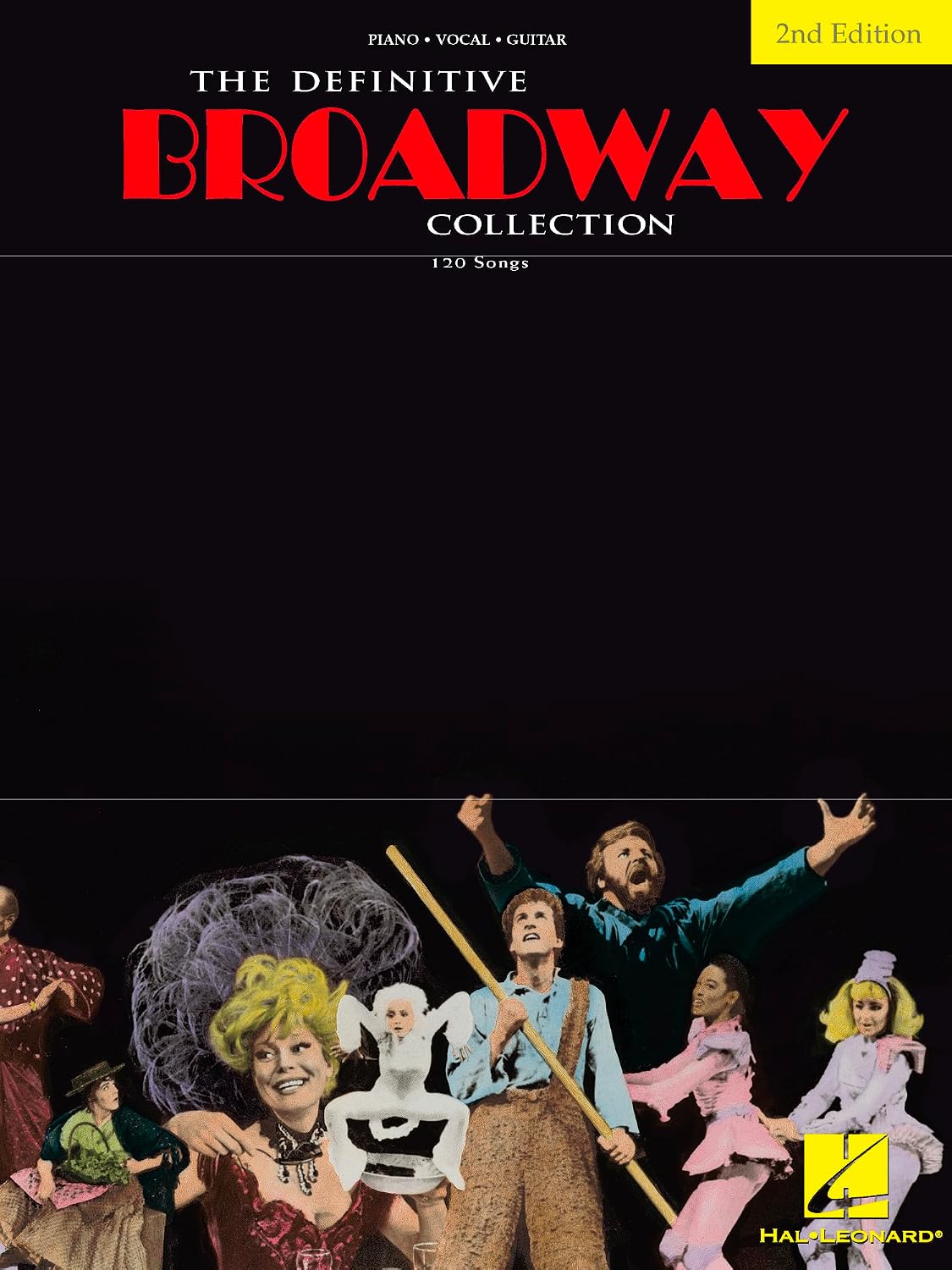
A biography spotlighting a notable figure from Broadway history.
Verified — real listing, active link
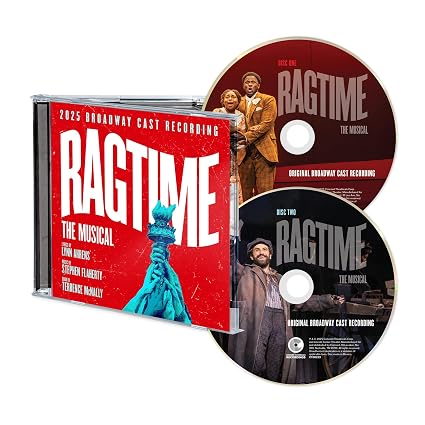
A physical CD cast recording for fans who prefer owning music outright.
Verified — real listing, active link
A comfortable hoodie for theatre fans who want something cozy to wear to rehearsal or the show.
Verified — real listing, active link
A Broadway ticket lists a curtain time, not a full evening. Running times vary by show, structure, and intermission, and the more useful question is how much time to actually set aside around the performance itself.
Broadway and Off-Broadway aren't a ranking of size or quality. They're two distinct, formally defined parts of New York's theatre industry, separated by venue classification and union contracts, not by how ambitious or polished a production happens to be.
A Broadway revival isn't just an old show staged again. It's a new production built around existing material, and its creative team has to decide, deliberately, what to preserve, reinterpret, or leave behind for a new audience.