Game
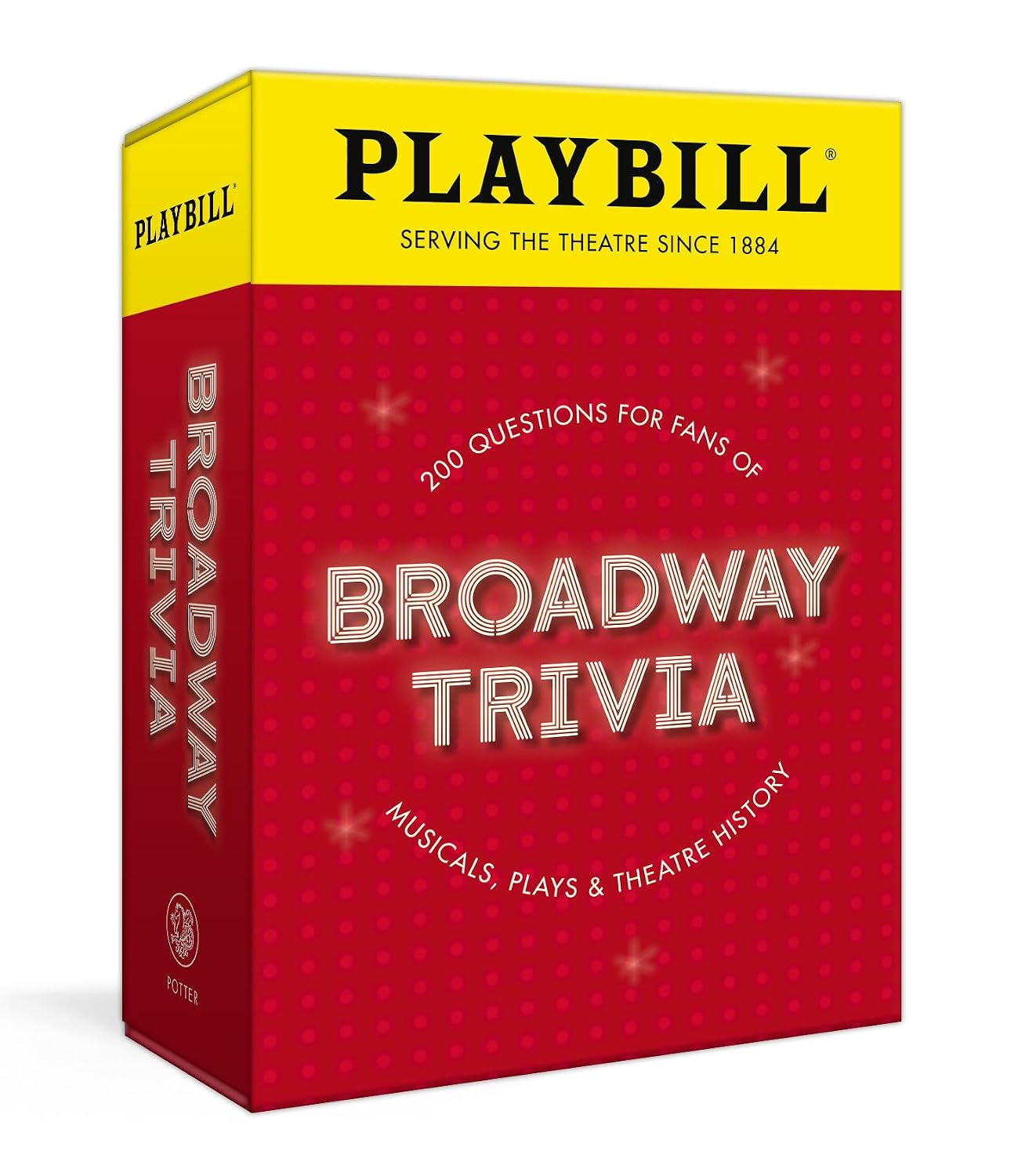
Broadway & Musical Theatre Trivia Game
A trivia game built entirely around Broadway and musical theatre knowledge.
Verified — real listing, active link
Amazon
Check PriceSeeing a show on Broadway is one of those experiences that rewards a little planning. Walk in with no idea how ticketing works or where the theatres actually are, and you'll spend half your trip figuring out logistics instead of enjoying the show. This guide covers the practical basics — geography, tickets, timing, and what to expect once you're in your seat — so the planning part gets out of the way early.
"Broadway" refers to a category of large professional theatres, most of which are clustered in Manhattan's Theatre District, in and around Times Square in Midtown. Despite the name, very few Broadway theatres are actually on Broadway the street — the term describes the caliber and union status of the production, not a literal address. This matters practically: because most Broadway theatres sit within a compact, walkable few blocks of each other, it's realistic to see a show and still have an evening in Manhattan around it, and it's part of why so many trips build multiple shows into a single visit.
Historical context — Broadway's theater district didn't start in Times Square — it moved there. Manhattan's major theaters shifted uptown several times over the nineteenth and early twentieth centuries as the city's population and commercial center moved north, with the area around 42nd Street becoming the settled home for large-scale commercial theater by the early 1900s. The nickname "the Great White Way" comes from that same period, when the district's electric marquee lighting was dense and bright enough to stand out as a genuinely new kind of nighttime spectacle in a city that hadn't seen anything like it before.
Broadway runs year-round, with performances typically Tuesday through Sunday and most theatres dark on Mondays — though this varies by production, so it's worth checking a specific show's schedule once you know what you want to see. Evening performances are the standard, with matinee performances (afternoon shows, usually on Wednesdays, Saturdays, and Sundays) offered by most productions as well. Matinees are frequently priced lower than evening shows, which is worth knowing if budget matters more than seeing a show at night specifically.
There are a few standard ways to buy Broadway tickets, and none of them require insider knowledge:
Buying in advance online. The most predictable option, especially for popular or newer shows, since it lets you pick your exact seats and dates ahead of time.
Box office. Many theatres sell tickets directly at their own box office, which can be useful for last-minute plans or day-of availability.
Discount and rush options. New York has a long-standing culture of same-day and discounted tickets — the TKTS booth in Times Square is probably the best-known example, selling same-day tickets to a rotating selection of shows at a discount. Many individual shows also run their own rush, lottery, or standing-room programs for a limited number of seats. Availability and terms vary by show and change over time, so it's worth checking current details for whatever you're hoping to see rather than assuming a specific program still works the way it used to.
Arriving with time to spare is worth building into your plan — bag checks, will-call pickup, and finding your seat in an unfamiliar theatre all take longer than they sound like they should. Most theatres are older buildings retrofitted for modern productions, so seating can be tighter and legroom less generous than a movie theater. Dress codes are relaxed by modern standards — there's no formal requirement — but many people still choose to dress up a bit for the occasion, simply because it's a special-occasion kind of night for most visitors.
For especially popular or newly opened shows, yes — advance booking is the safer approach. For shows that have been running for a while, same-day and discount options are more realistic, though availability isn't guaranteed.
No formal dress code exists at most theatres today. It's a personal choice — some visitors treat it as a dress-up occasion, others go casual.
Most run around two to two and a half hours including an intermission, though this varies by production — a specific show's own listing is the reliable source for its exact runtime.
Yes — because most Broadway theatres are within a short walk of each other in the Theatre District, seeing multiple shows across a few days is a common way to plan a trip.
Already planning your trip around a specific fandom? If Hamilton is on your list, browse our Hamilton coverage, or see everything Broadway on our Broadway hub. Musical theatre fans building a reading or listening list for the trip home might also like our guides to musical theatre books and musical theatre vinyl records. For everything else, see the full guides index.
This article contains no affiliate links or product recommendations — it's a straightforward planning guide, not a shopping guide.
Some links in this guide may be affiliate links. See our affiliate disclosure.
A trivia game built entirely around Broadway and musical theatre knowledge.
Verified — real listing, active link
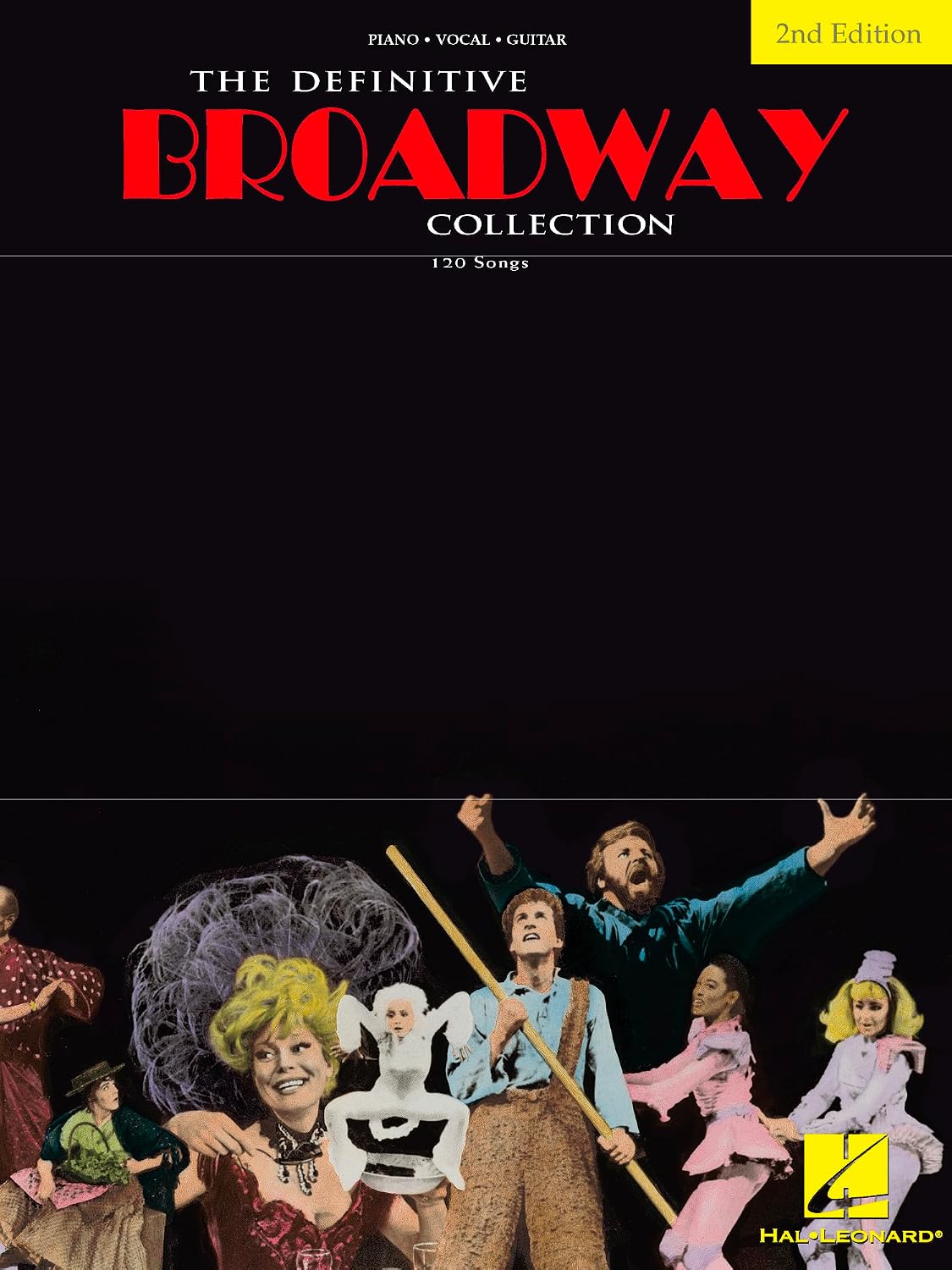
A biography spotlighting a notable figure from Broadway history.
Verified — real listing, active link
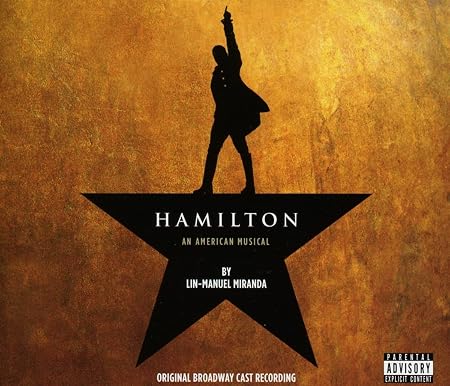
A physical CD cast recording for fans who prefer owning music outright.
Verified — real listing, active link
A comfortable hoodie for theatre fans who want something cozy to wear to rehearsal or the show.