Game
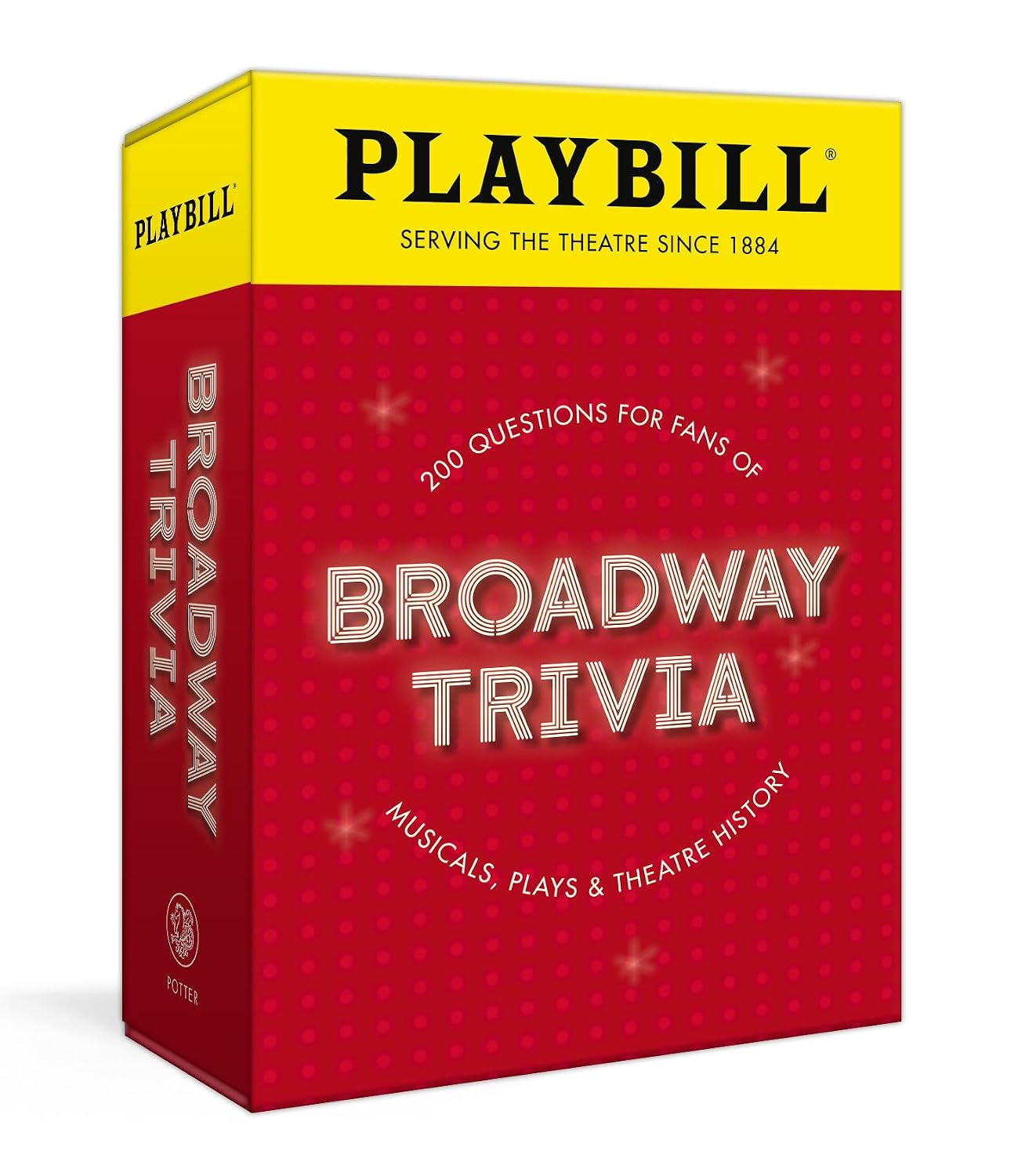
Broadway & Musical Theatre Trivia Game
A trivia game built entirely around Broadway and musical theatre knowledge.
Verified — real listing, active link
Amazon
Check Price
Broadway Guides
There is no single standard Broadway running time. That surprises a lot of first-time visitors, who assume every show clocks in around the same two hours a movie does. In reality, a Broadway evening can run anywhere from ninety minutes to well over three. The number printed on a ticket confirmation is only part of the actual time commitment. Arrival, security, finding your seat, intermission, and the walk back out all add to an evening that starts well before the curtain and ends well after the final bow. The more useful question isn't how long a Broadway show is. It's how much time you should actually set aside for the whole experience.
Most Broadway productions, taken together, fall somewhere between ninety minutes and just under three hours, including intermission where one exists. That range covers a genuinely wide mix of formats: full-length musicals with two acts, contemporary plays built to run straight through without a break, and the occasional sprawling drama that pushes past three hours by design. There is no official Broadway-wide rule dictating any of this; what actually makes a theatre Broadway is a separate question from how long the production running inside it happens to last. Each production sets its own length based on its story, its score, and its own creative decisions, and that length is published by the show itself rather than fixed by any industry standard.
A useful distinction to hold onto: shows with an intermission are typically built as two acts, and shows without one are usually the shorter end of the range, since a producer generally only asks an audience to sit through ninety-plus uninterrupted minutes when the material is tightly paced enough to support it. Plays vary just as widely as musicals here. Some straight plays run under two hours with no break at all; others, particularly dense historical or literary adaptations, run closer to three hours with an intermission built in specifically to let the audience reset partway through.
Musicals tend to sit toward the longer end of that overall range, and the reasons are structural rather than arbitrary. A song takes real time to perform in a way a line of dialogue doesn't, and a single musical number still has to accomplish everything a scene of spoken dialogue would within that time. Dance sequences add further time on top of that, since choreography has to be performed at its own pace rather than compressed the way a film edit could compress it. Scene changes in a fully staged musical, especially one with elaborate sets, take real physical time even when they're built to feel seamless. Multiple acts and a built-in intermission then extend the evening further still.
Current examples make the range concrete without turning into a ranking. Hamilton runs two hours and forty-five minutes, including a fifteen-minute intermission, according to the show's own official information. Wicked runs about the same overall length, two hours and forty-five minutes with one fifteen-minute intermission, though its two acts aren't evenly split: the first act runs closer to ninety minutes on its own, with a shorter second act following the break. The Lion King runs two hours and thirty minutes with a single fifteen-minute intermission, according to the production's own support information. At the other end of the spectrum, Maybe Happy Ending runs ninety minutes with no intermission at all, a deliberate structural choice for a more compact, continuous piece of storytelling. None of these numbers make one show better paced than another. They simply reflect different creative decisions about how a specific story is best told.
Intermission is the built-in pause between acts, and it exists for practical reasons as much as dramatic ones: it gives the audience a break, gives the crew time for any scene or set changes too large to handle invisibly, and gives concessions and restrooms a chance to serve a full house at once. Intermissions are commonly around fifteen to twenty minutes, though the exact length is set by each individual production rather than fixed industry-wide, and some shorter or continuously staged productions skip intermission entirely.
During that window, most audiences handle some combination of the restroom line, a stop at the concession stand, a stretch after sitting still, and a quick check of messages before the lights signal it's time to return. It's also a natural moment to glance back through the Playbill you were handed at the door, since it typically lists the scene and musical-number breakdown for the act you just watched and the one still ahead. The practical etiquette of that window, arriving back before the warning lights, not blocking the aisle, that kind of thing, is covered in more depth in our guide to Broadway theatre etiquette, so this article won't repeat it beyond the basic planning point: fifteen to twenty minutes goes quickly once you're actually standing in a lobby line, and it's worth budgeting for that rather than assuming you'll have time to wander far from the theatre.
This is the practical question underneath everything else, and it's worth separating from the published running time entirely. A visitor should think about several distinct blocks of time: getting to the theatre, any security or ticket-scanning at the door, the walk from the lobby to your actual seat, the performance itself, intermission if the show has one, the exit once the show ends, and however long it takes to get to whatever comes next.
These pieces add up differently for every visit, and TheatreShelf isn't going to present a specific arrival time as an official Broadway policy, because it isn't one. As a practical recommendation rather than a rule, giving yourself a comfortable buffer before curtain, enough to clear the door, find your row, and settle in without rushing, tends to make the whole evening feel calmer than cutting it close. Our guide to buying Broadway tickets covers the ticketing and entry side of that planning in more detail, and planning a Broadway trip to New York is the better resource if you're building an entire evening or trip around a specific show rather than just the performance itself.
Broadway doesn't have a standard length because it doesn't have a standard story, and the factors that stretch or compress a running time are all genuinely artistic rather than arbitrary. A show's underlying story structure, whether it's built as one continuous arc or several distinct movements, shapes how many acts it needs. The number and length of musical numbers, where they exist, directly adds runtime that a play without music doesn't carry. Dance sequences, elaborate scene changes, and technically complex staging all take real time to execute live, night after night, in a way that can't simply be trimmed in an edit. Whether a show includes an intermission at all is itself a creative decision, not a formatting requirement, and different creative teams land on different answers for structurally similar material. Put together, these choices mean two shows that sound similar on paper, two book musicals about historical figures, say, can run on genuinely different clocks.
Published running times are planning information, not guarantees down to the minute. A curtain that goes up a few minutes late, a longer-than-usual ovation, or a slower turnover during intermission can all push a show's actual end time past its published length, and none of that is unusual or a sign anything went wrong.
That matters most for whatever you've planned immediately afterward. A tight dinner reservation, a specific subway or train connection, or another commitment later that night can all be affected by a show running slightly long, so it's worth treating the published running time as a reliable estimate rather than a fixed departure schedule. Building in a buffer after the show, the same instinct as building one in before it, tends to matter more the tighter your plans for later in the evening actually are.
Often, yes. Many productions publish their running time as the total time from curtain to final bow, intermission included, rather than the performance portions added together on their own. Exactly how that figure gets presented isn't universal, though, so it's worth checking your specific production's official listing rather than assuming every show phrases it the same way. When exact planning matters, the show's own official page is the most reliable place to confirm what a stated running time actually covers.
The most reliable sources, in order, are the production's own official website, the official ticketing page for that specific show, and the venue's own information where the theatre publishes it directly. These are the sources most likely to reflect the current version of a show, since running times can shift over a production's life as scenes get trimmed, staging gets adjusted, or a show transfers between venues.
Third-party ticket sellers and general theatre-information sites can be useful for a quick reference, but they aren't all equally current or equally careful about updating a number after a production makes a change, so treating an official source as the tiebreaker is the safer habit. This article's own examples above were checked against official production and ticketing sources at the time of writing, but running times do change, which is exactly why checking your specific show's current listing before you go is worth the extra minute it takes.
There's no single rule here either, but there is a reliable framework. Start from the curtain time, add the show's published running time, and you have an estimated end time. From there, factor in the walk from the theatre to the restaurant, which varies a lot depending on how far you're willing to go versus staying in the Theatre District itself, and add a little extra cushion if the show runs the kind of length where a slightly late finish wouldn't be unusual. A restaurant with a strict reservation window deserves a wider buffer than one that's comfortable with walk-ins running a few minutes behind. This framework doesn't replace checking your specific show's actual running time before you book anything, but it holds regardless of which show you're seeing.
There is no universal Broadway running time, and that's genuinely useful to know before you plan an evening around one. The better approach is to check the specific production's published duration directly, then build time around that number for arrival, intermission, and getting out of the theatre afterward, rather than treating the curtain time as the only number that matters. A Broadway evening is really the whole arc from leaving home to getting back, and planning it that way tends to make the performance itself easier to actually enjoy.
Some links in this guide may be affiliate links. See our affiliate disclosure.
A trivia game built entirely around Broadway and musical theatre knowledge.
Verified — real listing, active link
A biography spotlighting a notable figure from Broadway history.
Verified — real listing, active link
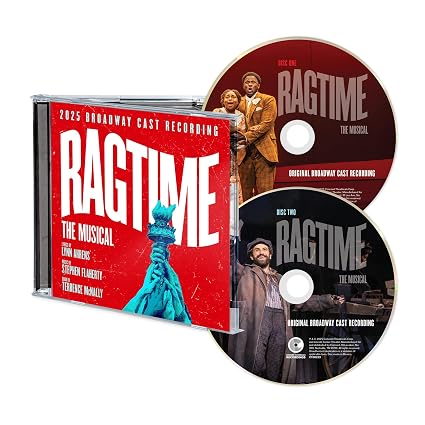
A physical CD cast recording for fans who prefer owning music outright.
Verified — real listing, active link
A comfortable hoodie for theatre fans who want something cozy to wear to rehearsal or the show.
Verified — real listing, active link
Most sources name The Black Crook (1866). Here's why historians still argue, and the other shows that claim to be Broadway's first musical.
Broadway and Off-Broadway aren't a ranking of size or quality. They're two distinct, formally defined parts of New York's theatre industry, separated by venue classification and union contracts, not by how ambitious or polished a production happens to be.
A Broadway revival isn't just an old show staged again. It's a new production built around existing material, and its creative team has to decide, deliberately, what to preserve, reinterpret, or leave behind for a new audience.