Game
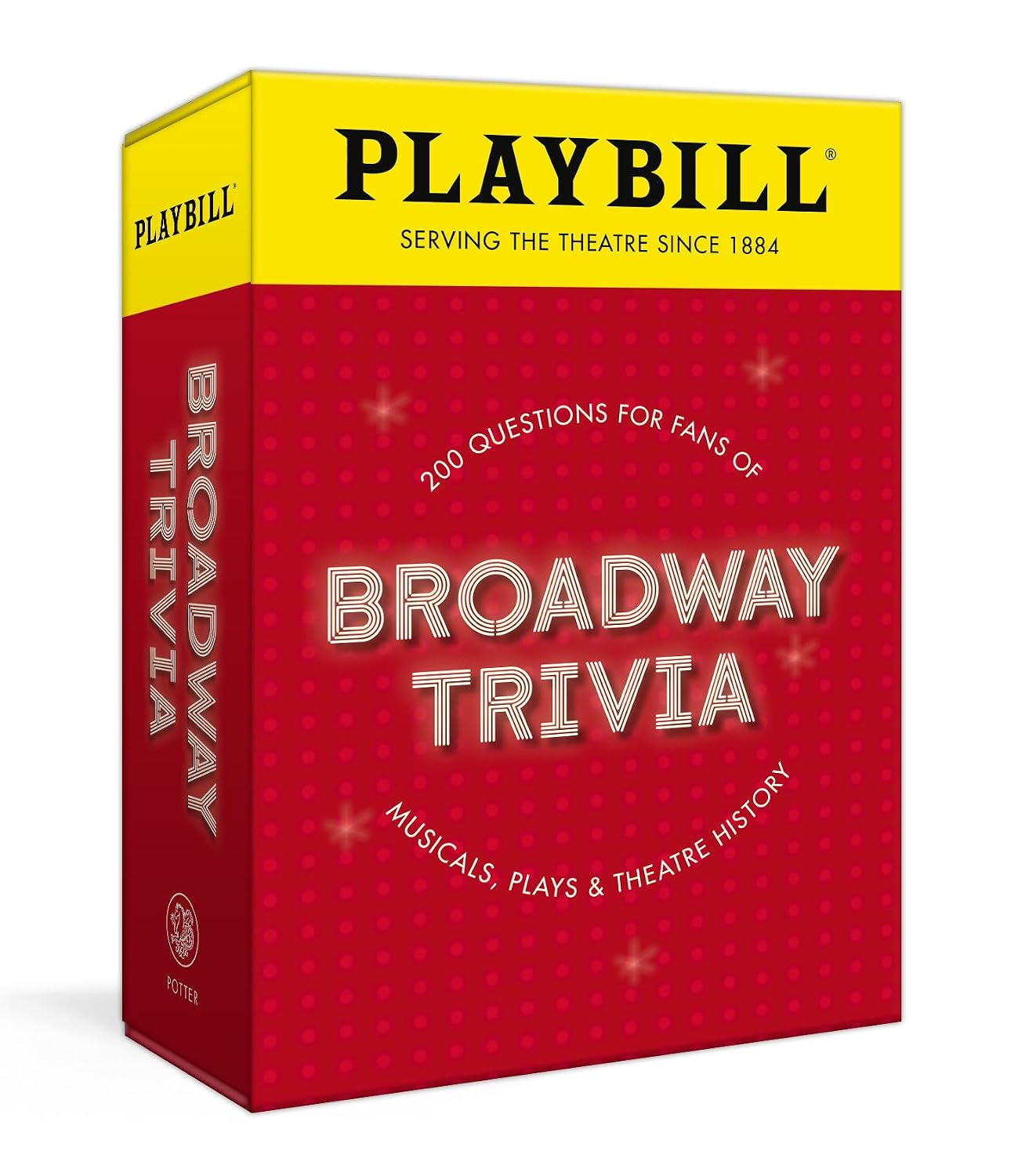
Broadway & Musical Theatre Trivia Game
A trivia game built entirely around Broadway and musical theatre knowledge.
Verified — real listing, active link
Amazon
Check Price
Broadway Gifts
Buy a generic "Broadway" mug or tote for someone who genuinely loves theatre, and you'll get a polite thank-you and a gift that ends up in a drawer. The problem usually isn't the item — it's that "Broadway fan" describes a huge range of people who engage with the art form in completely different ways. The gift that lands isn't the one that says "Broadway" the loudest. It's the one that matches how the person actually loves it.
Generic merchandise fails for a simple reason: it treats "likes Broadway" as a single interest instead of several overlapping ones. Someone who sees six shows a year, someone who owns every cast recording ever released, and someone who's just discovered the form through one specific show are all "Broadway fans" — but a gift built for one of them can easily miss the other two entirely.
The more useful question isn't "what has a Broadway logo on it?" It's "how does this specific person actually spend time with theatre?" Do they go? Do they read? Do they listen? Do they collect? Do they decorate around it? Most fans lean toward one or two of these more than the others, and a gift aimed at that lean tends to land better than one aimed at the category as a whole.
There's also a difference worth naming between a Broadway-branded gift and a Broadway-minded one. The first says "this person likes Broadway" to whoever sees it. The second actually serves the way that person engages with the form — whether that's a book, a recording, a piece for a shelf, or simply help planning the next time they're in a seat. The second kind tends to get used, kept, or genuinely enjoyed. The first kind tends to get thanked for and set aside.
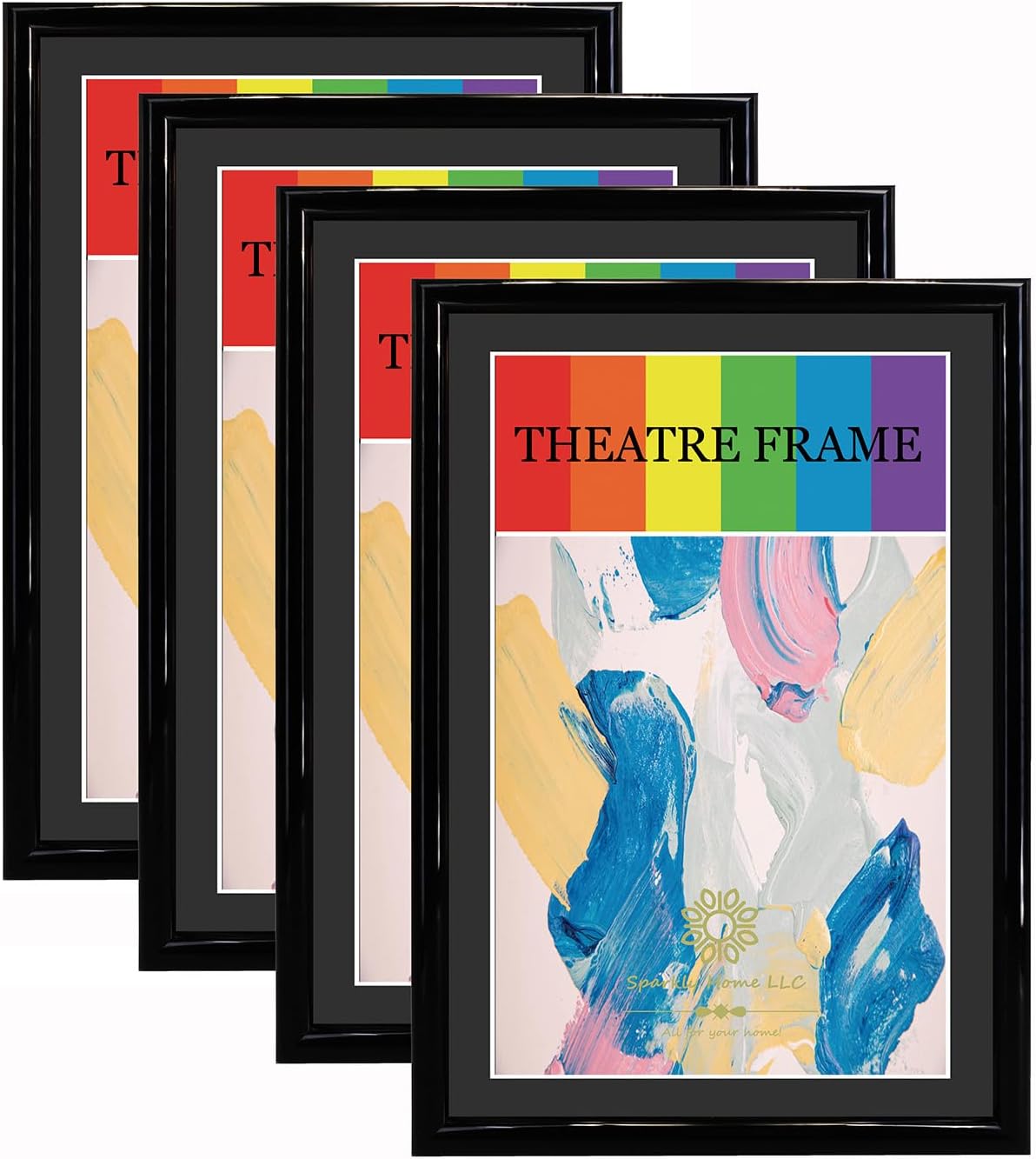
For fans whose relationship with Broadway is really about the night itself — the theatre, the anticipation, the ritual of it — the best gifts support that experience rather than compete with it. A playbill display frame gives someone a place to actually keep the program from a show that mattered, instead of letting it get lost in a drawer. A scratch-off poster of Broadway shows works well for the fan who's steadily working through a personal list of productions and likes having something physical that tracks the progress.
Featured in this guide
Best for: Fans who want a place to keep the program from a show that mattered
A frame designed specifically for displaying Playbill programs.
Verified — real listing, active link
If the person you're buying for is planning an actual trip — their first, or their tenth — a gift doesn't have to be an object at all. Helping them get the practical side of a visit right matters more than another souvenir; our guide to planning a Broadway trip to New York covers the logistics side of that experience in detail, and passing it along is its own kind of thoughtful gift.
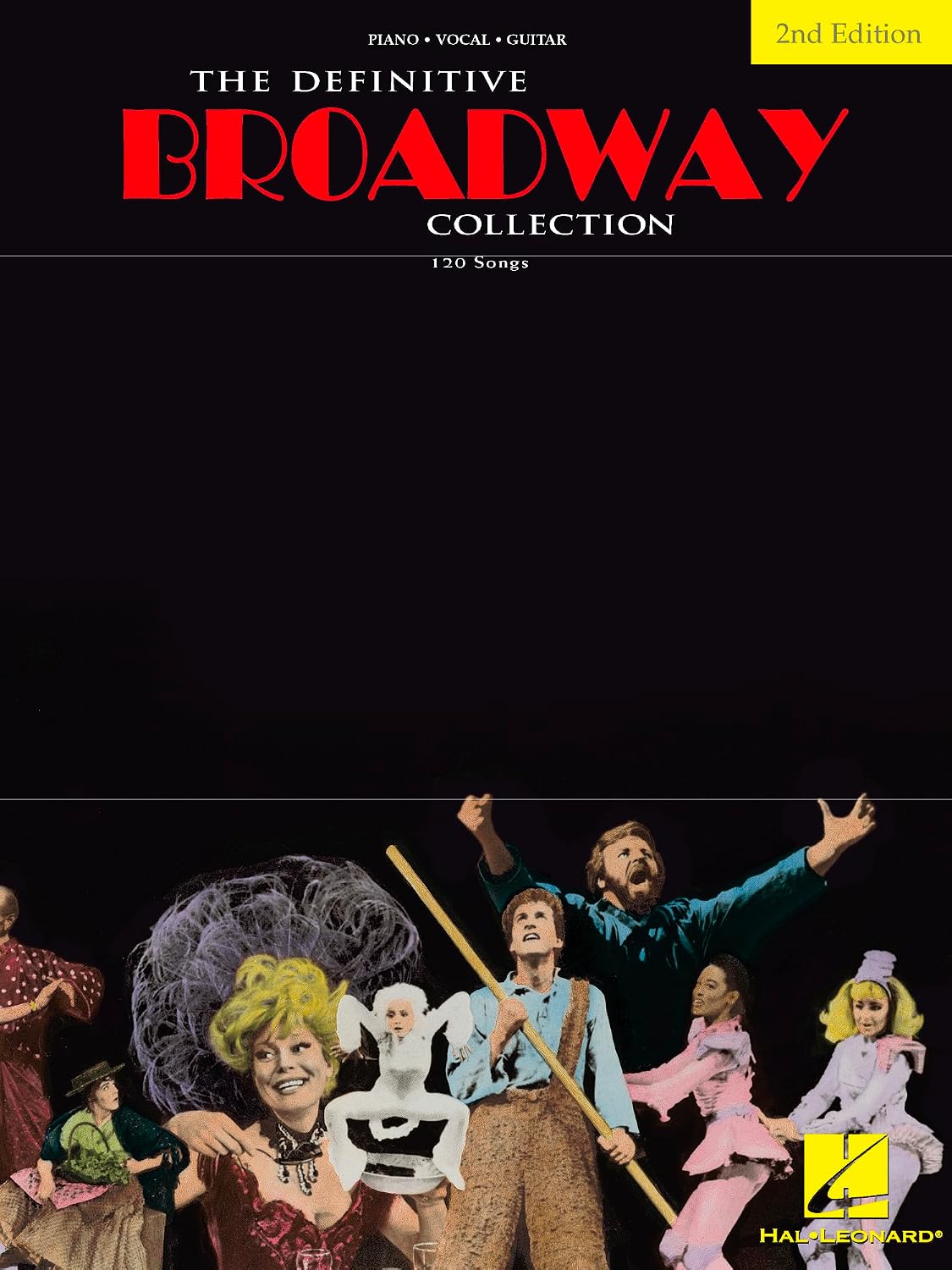
Some fans experience Broadway mostly on the page, and for them a good book outlasts almost anything else on this list. A collection of Broadway biographies works well for someone more curious about the people behind the stage than about any single show, while a broader history of musical theatre suits a reader who wants context across eras rather than a deep dive into one production or performer.
Featured in this guide
Best for: Readers more curious about the people behind Broadway than any one show
A biography spotlighting a notable figure from Broadway history.
Verified — real listing, active link
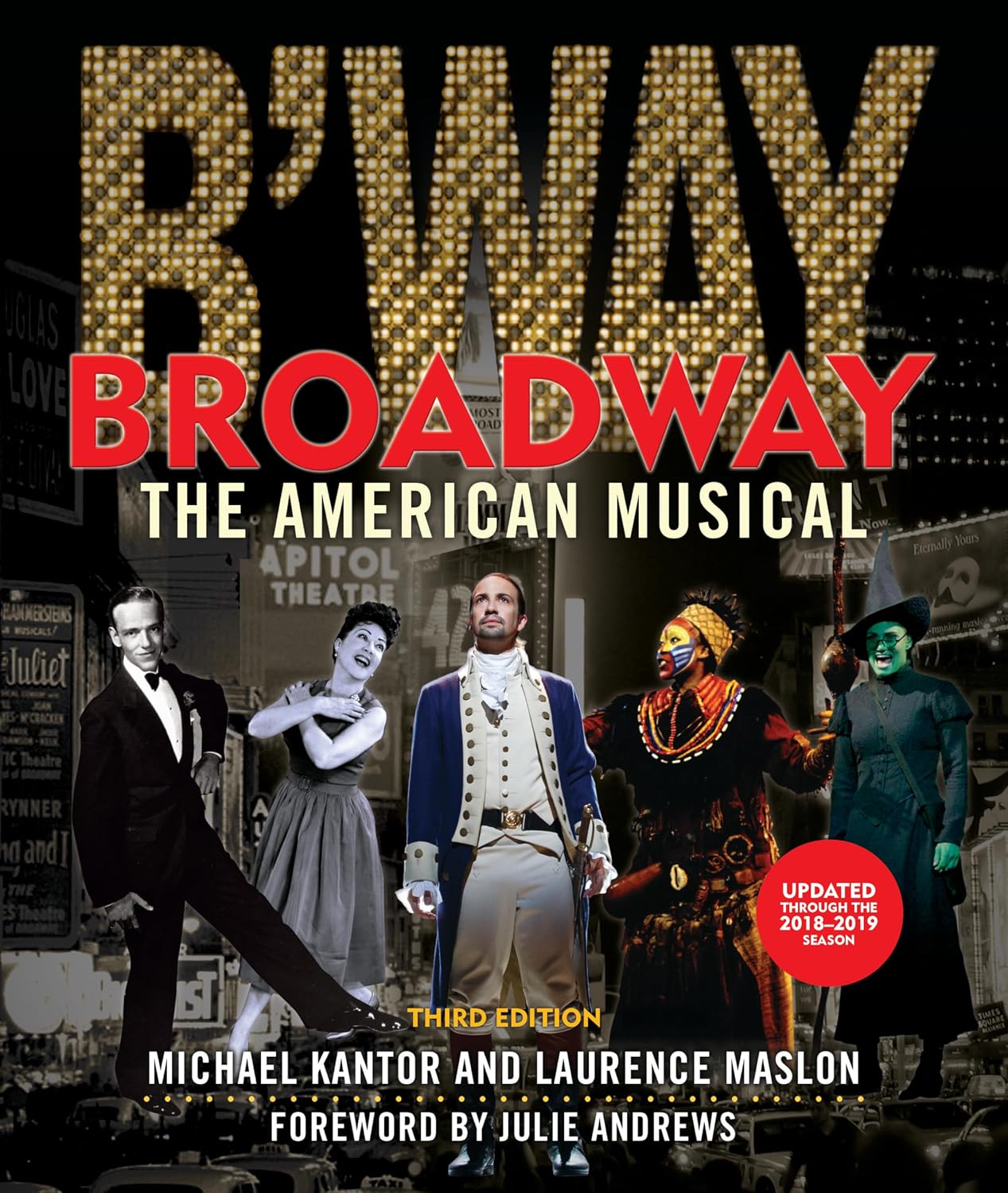
Featured in this guide
Best for: Readers who want context across eras, not a deep dive into one show
A book tracing the evolution of the musical theatre art form.
Verified — real listing, active link
The distinction worth remembering here: a biography rewards someone who already has a specific person they're curious about, while a history rewards someone who wants to understand the art form as a whole. Neither is the "better" gift — they're answers to different questions about what the reader actually wants from a book. Our guide to musical theatre books goes deeper into these categories if you want a fuller picture before choosing.
For fans who experience a show mostly through its score, a physical recording is a genuinely different gift than a streaming link, in the same way a printed book is different from the same text on a screen. A Broadway cast recording on CD suits someone who wants to own a specific show's music outright, without needing any particular playback equipment. A vinyl pressing is a more deliberate version of the same idea — slower to put on, more involved to listen to, and a physical object rather than a file.
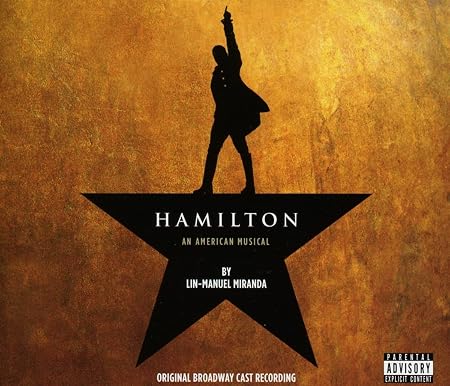
Featured in this guide
Best for: Fans who want to own a specific show's music outright
A physical CD cast recording for fans who prefer owning music outright.
Verified — real listing, active link
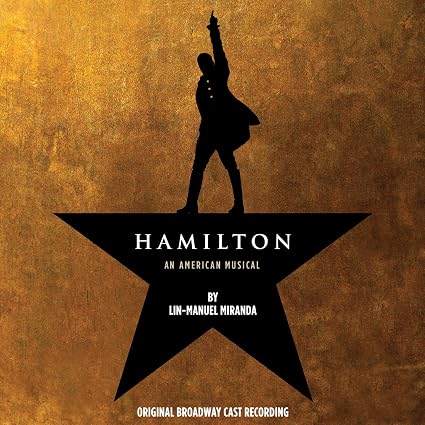
Featured in this guide
Best for: Fans who want a slower, more deliberate way to listen
A vinyl pressing for fans who collect cast recordings on record.
Verified — real listing, active link
Neither format is objectively superior to streaming. What they offer is a different relationship to the material: something you choose to put on rather than something that's simply always available. Our guide to Broadway and musical theatre vinyl covers what's actually involved in buying and collecting on that format, for anyone considering it as a gift for the first time.
A certain kind of fan isn't looking for one more thing to use — they're building something, and they think about whether a new piece actually fits with what they already have. For this person, the gifts that land are the ones with a sense of permanence: a Broadway theatre ornament that becomes part of an annual tradition, a playbill display frame that turns a program into something worth keeping visible, or a piece meant to be displayed rather than used up and replaced.
A Broadway shows scratch-off poster fits this same instinct in a slightly different way: it's less about acquiring an object and more about visibly tracking a personal record — the productions seen, the ones still ahead. For a fan who already thinks in terms of "what I've seen" as its own kind of collection, that's a more natural fit than another static keepsake.
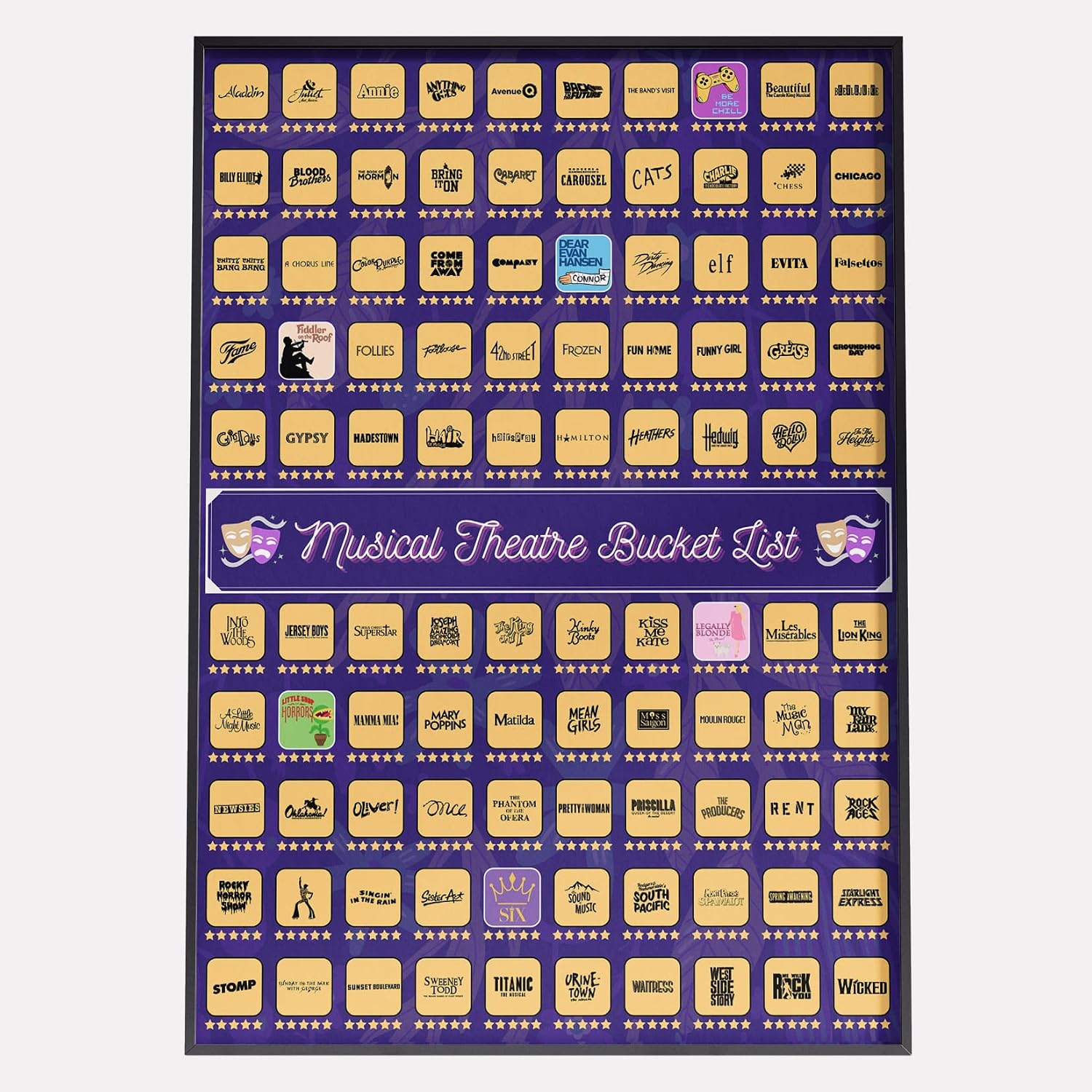
Featured in this guide
Best for: Fans who like visibly tracking the shows they've seen
A scratch-off print that lets fans mark off Broadway shows they've seen.
Verified — real listing, active link
The instinct to avoid here is quantity for its own sake. A collector generally isn't looking for more objects; they're looking for the right next object, which makes a single well-chosen piece a stronger gift than an assortment of smaller ones.
Not every fan wants to wear their interest or display it as an obvious collection — some just want a home that quietly reflects it. A theatre-themed wall art print does this well: present in the room without demanding conversation about it. Theatre-themed jewelry works the same way for someone who'd rather carry the interest personally than announce it. Even something as ordinary as a mug earns its place here, not because it's dramatic, but because it turns an existing daily habit into a small, recurring nod to something they love.
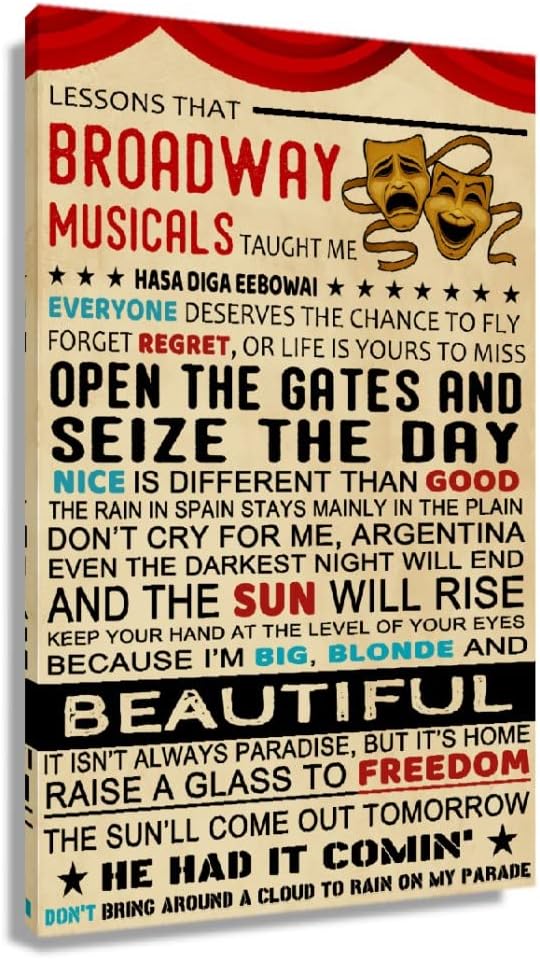
Featured in this guide
Best for: Fans who want their space to quietly reflect the interest
A decorative print celebrating the aesthetic of Broadway theatres.
Verified — real listing, active link
A few gifts sit closer to comfort than decor but belong in the same category: a musical theatre fan journal gives someone a place to actually reflect on shows they've seen rather than just remembering them vaguely, and a theatre-themed throw blanket suits the fan whose idea of a good night in is a cast recording playing while they curl up with something soft. Neither is dramatic. Both are the kind of gift that gets used regularly rather than displayed once and forgotten.
The common thread across all of these is restraint. A fan who wants their home to feel like theirs, not like a fan-merchandise display, tends to respond better to a single well-chosen piece than to a room's worth of branded items.
A newer fan doesn't need a rare or highly specific gift — they need the fundamentals, in a form that lets them find their own favorites rather than assuming too much about a taste they're still developing. A Broadway and musical theatre trivia game works well here precisely because it's low-stakes and shared rather than personal — a good group gift for a new fan and the more experienced people around them. A musical theatre gift box, bundling a few smaller items together, sidesteps the problem of guessing at specifics before someone has had the chance to figure out what they actually like.
This is also where a gift tied to one specific show — a particular cast recording, a particular book — can work well precisely because it's specific: it gives a new fan somewhere concrete to start rather than a vague general category to explore alone. If that specific show happens to be Hamilton, or Wicked, or something else entirely, the same logic still applies; the show itself, not the word "Broadway," is doing the work of the gift.
It's also worth knowing, for a newer fan especially, that "Broadway" itself means something more specific than most casual conversation implies — our guide to what Broadway actually is is a useful companion piece if the person you're buying for is the type who likes understanding a thing properly, not just enjoying it.
If you're still unsure, a short set of questions narrows things down faster than browsing:
None of these questions require knowing much about theatre yourself. They require knowing the person, which is generally true of good gifts regardless of the subject.
Pulled together, the categories above map roughly onto a few recognizable types of fan:
The theatre-goer — gifts that support the actual experience of attending: a playbill frame, a way to track shows seen, or help planning the next trip.
The reader — biographies for a specific curiosity, histories for broader context.
The collector — a single well-chosen, display-worthy piece rather than an assortment.
The music lover — a physical recording, on CD or vinyl, of a show they already know.
The new fan — low-stakes, shared, or specific-to-one-show gifts rather than broad or rare ones.
The at-home fan — decor and everyday objects chosen for restraint rather than volume.
Most real people are some blend of two or three of these, which is exactly why matching the gift to the specific person works better than reaching for whatever has the word "Broadway" printed on it most visibly.
None of this is really about merchandise. It's about recognizing that "Broadway fan" isn't one thing — it's a label that covers people who go, people who read, people who listen, people who collect, and people who just want their space to reflect something they love. A good gift doesn't try to cover all of it at once. It picks the one part of that experience the person in front of you actually lives in, and gets specific about it.
Some links in this guide may be affiliate links. See our affiliate disclosure.
A trivia game built entirely around Broadway and musical theatre knowledge.
Verified — real listing, active link
A biography spotlighting a notable figure from Broadway history.
Verified — real listing, active link
A physical CD cast recording for fans who prefer owning music outright.
Verified — real listing, active link
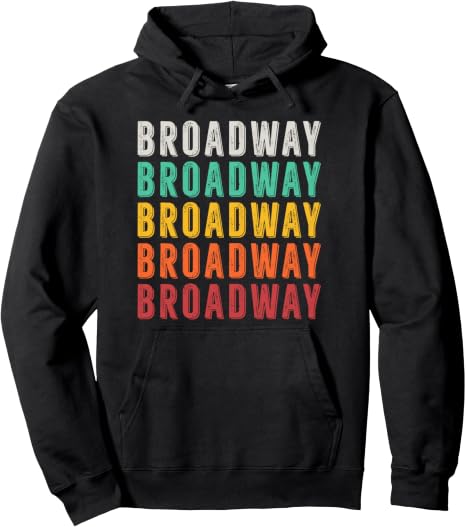
A comfortable hoodie for theatre fans who want something cozy to wear to rehearsal or the show.
Verified — real listing, active link